Introduction
The experience of transcribing archived historical texts was one that was deeply impactful in my understanding of archival documents and the history in which they belong to. Thanks to the Colored Conventions project, I had the opportunity to look at a variety of old texts and analyze them by first transcribing the texts and then searching through these documents and transcriptions in order to highlight names of women and unknown peoples. These two processes lead me down a path of not just learning about the ways in which digital technology increases accessibility and knowledge surrounding old documents, but also extends the frame in which history has been restricted to. For example, the significance of highlighting and typing out names of women is extremely important when it comes to understanding the ways in which certain peoples were not given credit for their political/societal activism due to their race, gender, ethnicity, or socio-economic status. History in many ways, has been written with the focus pertaining to predominantly white men and their accomplishments or influence over modern day society. Transcribing archival documents and acknowledging the figures in them that would not normally receive representation is a crucial piece of rewriting history to encompass the achievements and accomplishments of diverse peoples: accomplishments that furthermore, were very impactful to the historical period in which they lived. The Colored Conventions project illuminates these themes surrounding how we as people must start looking at history, and was also an impactful experience, bringing the practice of transcribing texts to the forefront and offering deeper insight to digital technology and the way in which it expands our knowledge of historical documents.
Previous Knowledge
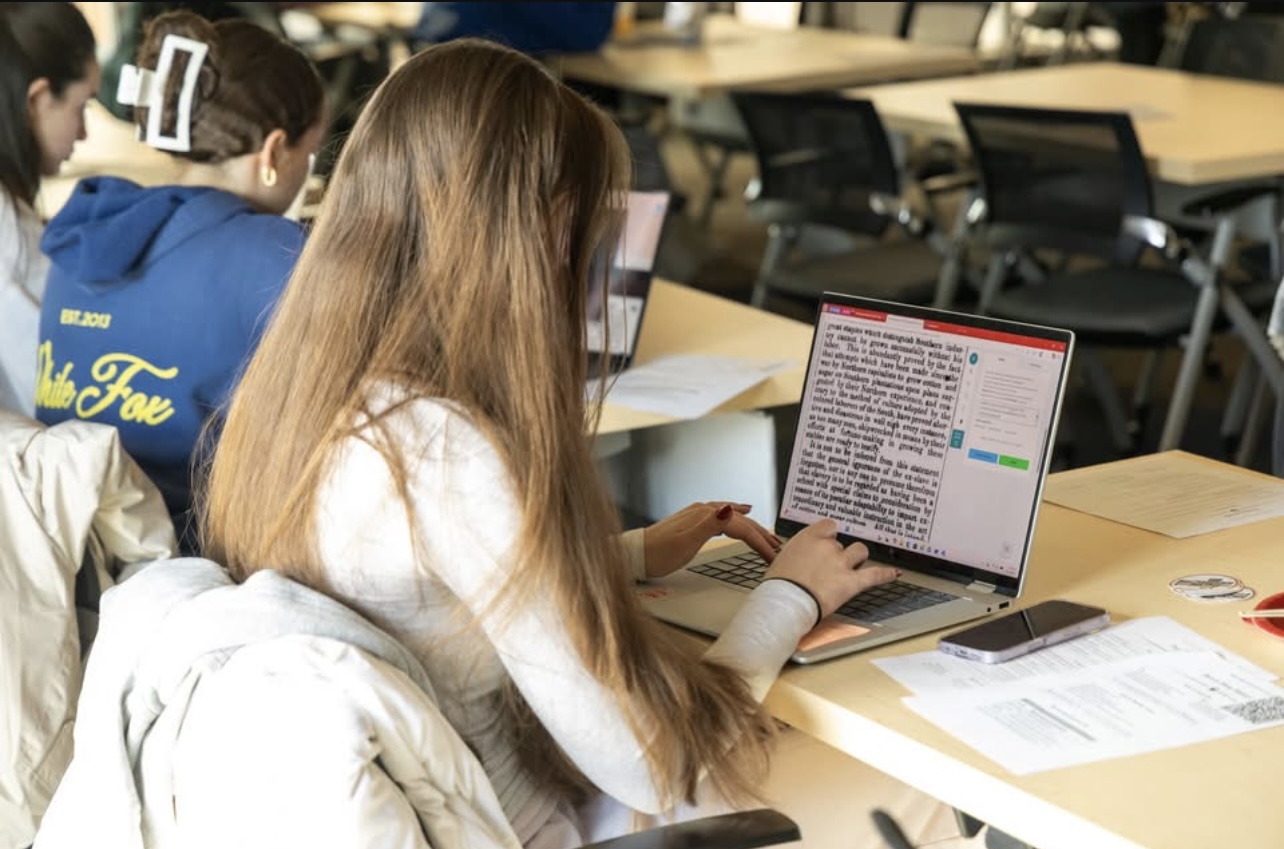
Going into the Colored Conventions project, I really had no prior expertise or even practice with transcribing historical documents. I was going into the Project almost completely blind to what the process of transcription looked like and what types of documents I would be looking at. Through the class period and as I participated in the process of transcription outside of the Douglass Day celebration, I found myself admiring the way in which each time I returned to the Zooniverse website there was a higher percentage of documents complete and closer to being fully transcribed. One of the underlying impacts of the event itself, was the ways in which the process of transcribing historical documents brought together a community of people. It was very inspiring seeing many of my peers and staff join together for an event with the purpose of preserving important and significant pieces of history, while also working to craft an increased understanding of the historical context in which these documents have relevance.
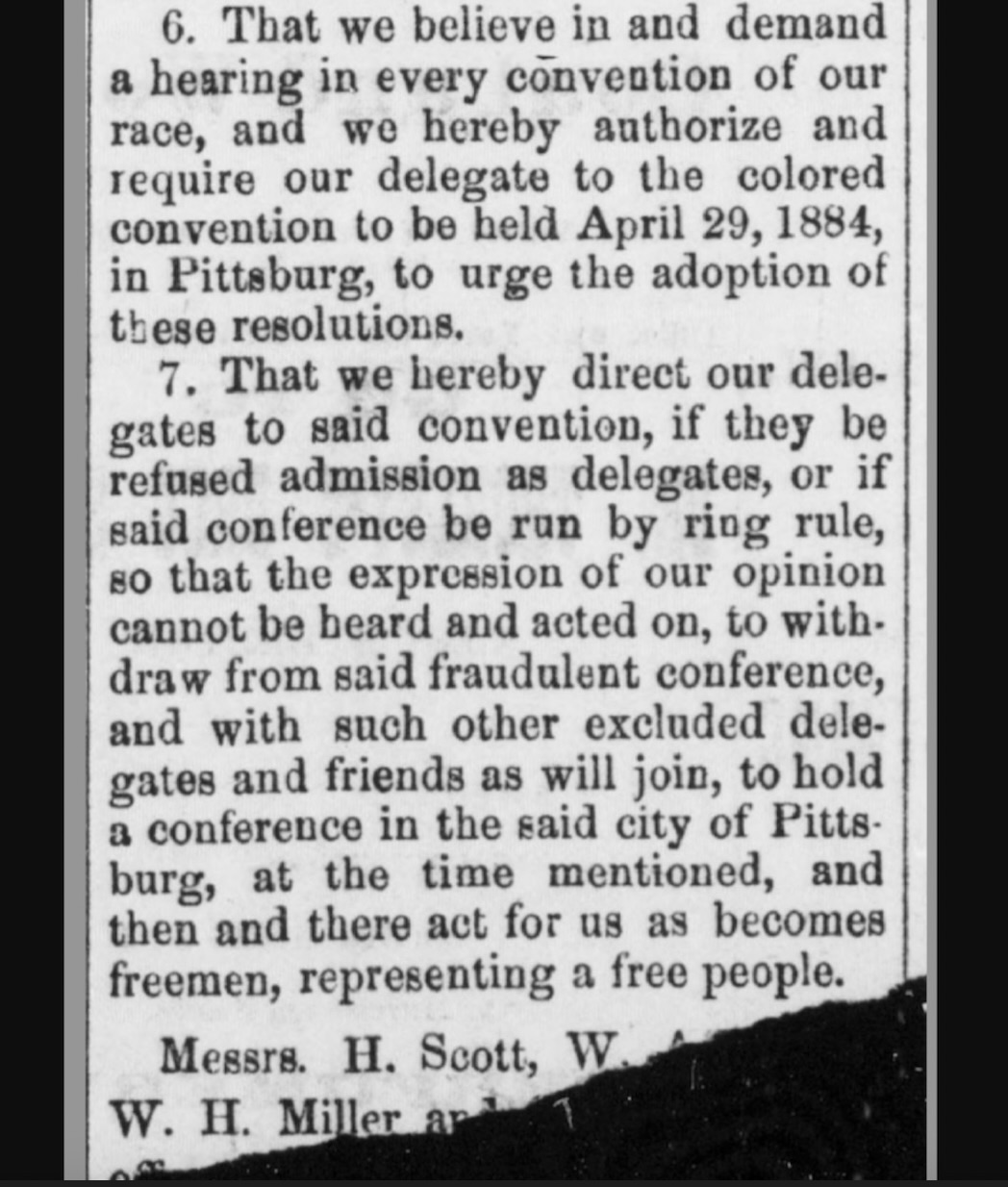
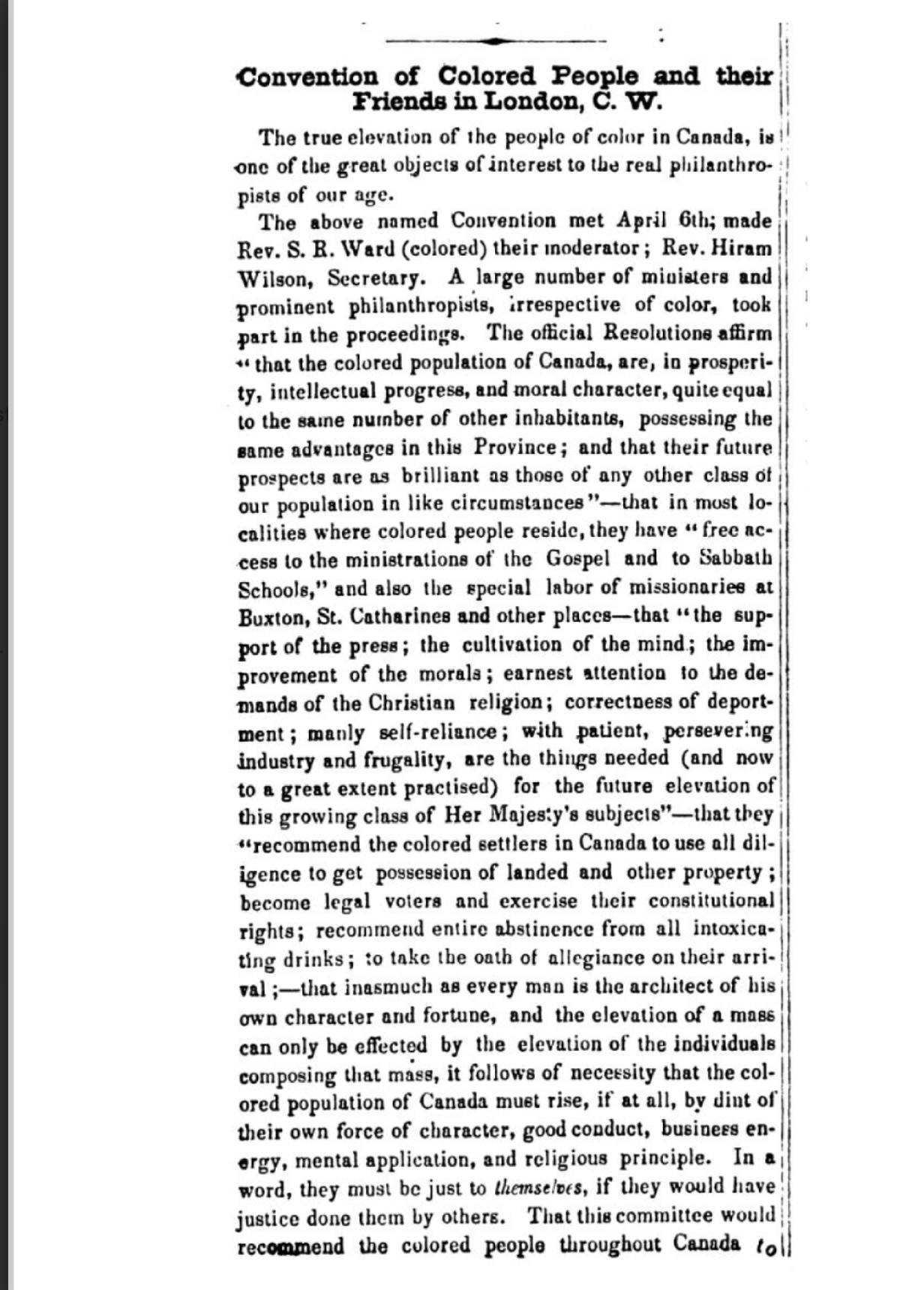
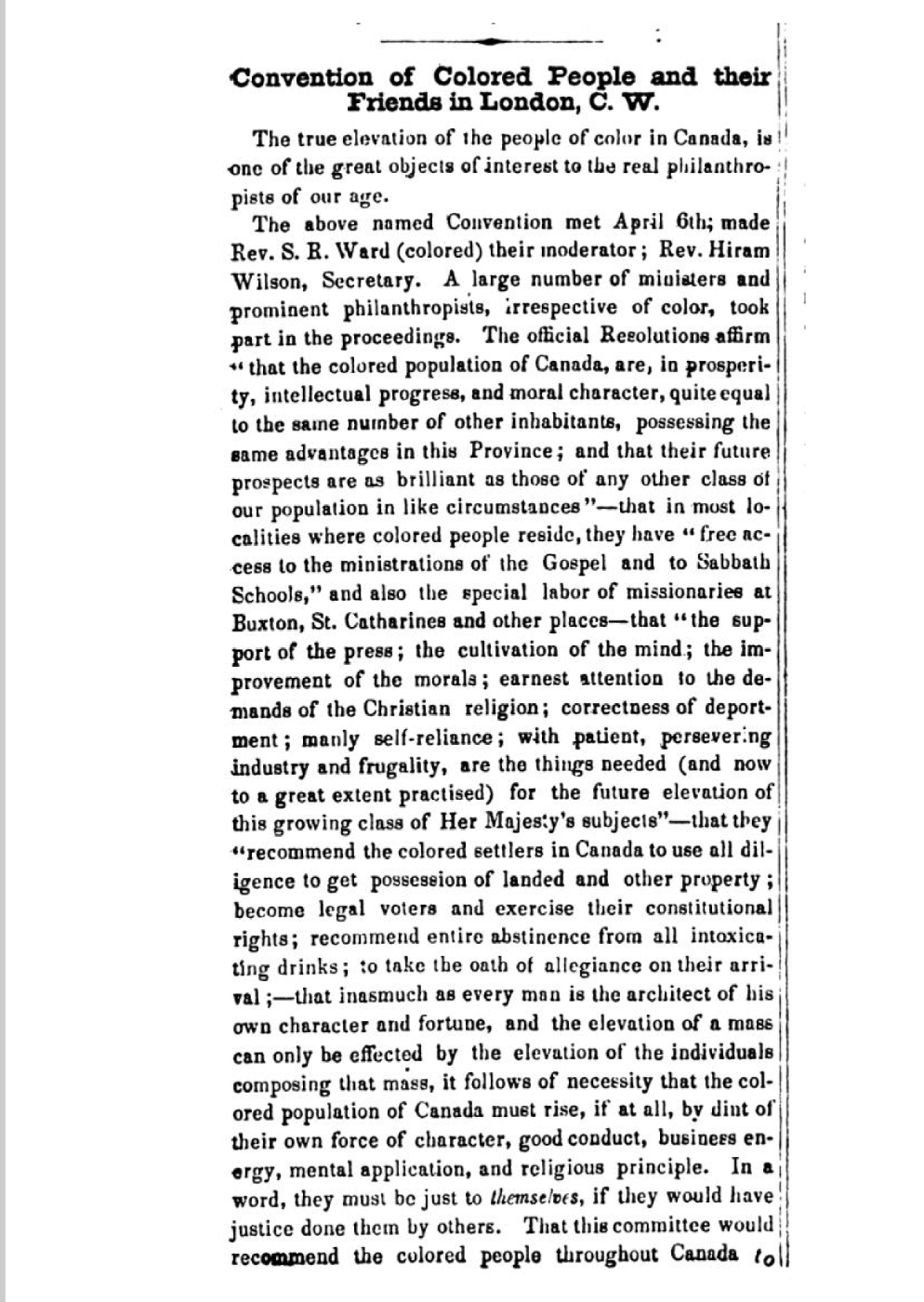
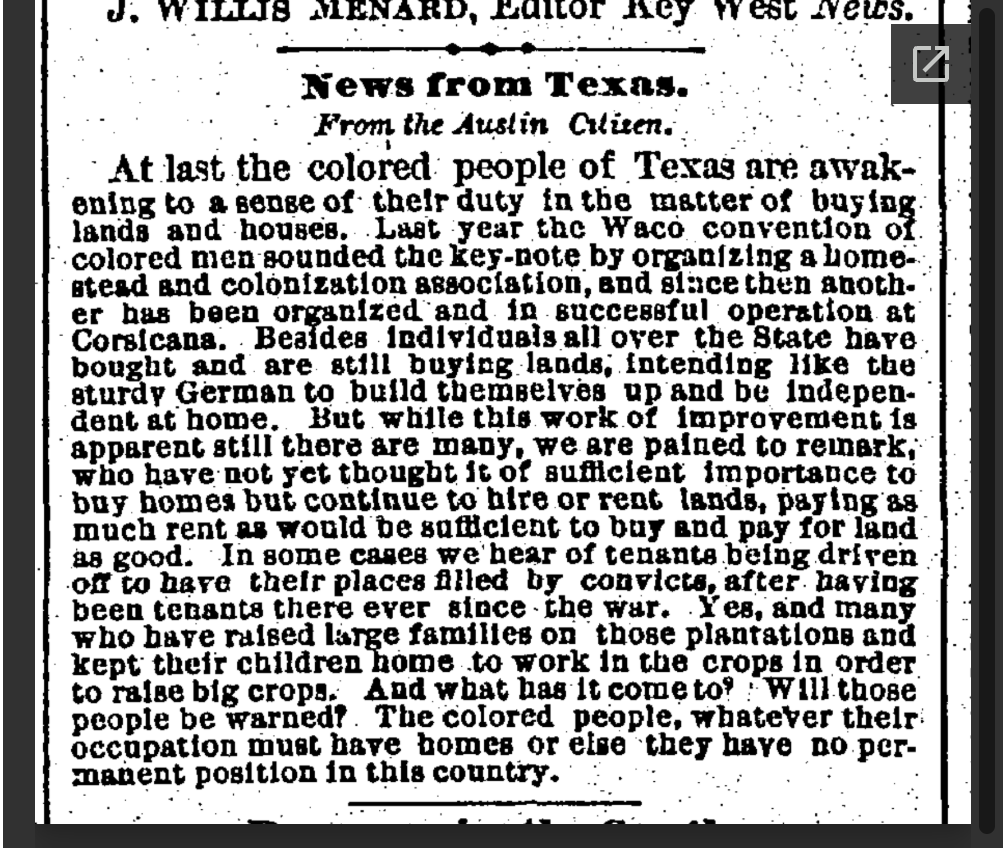
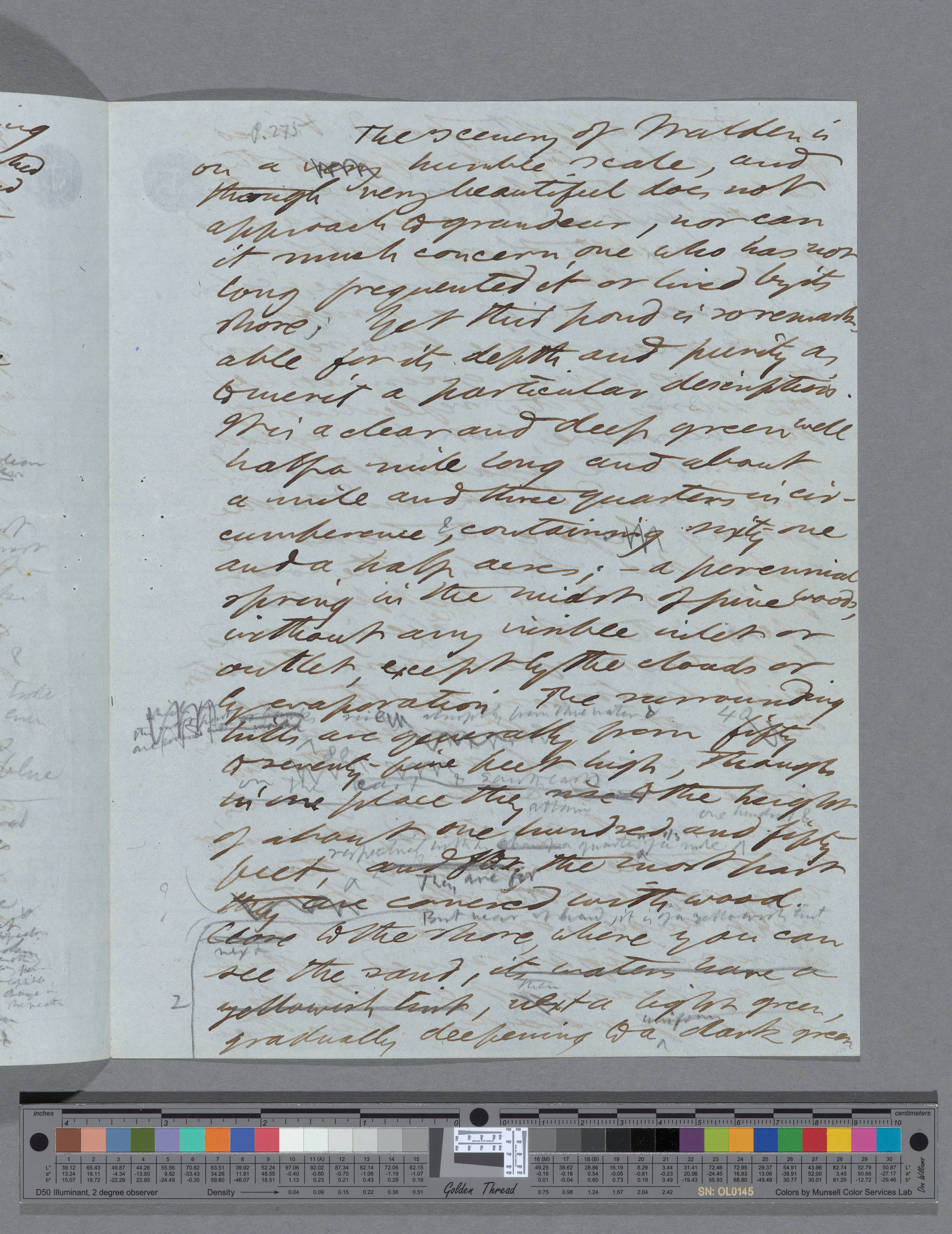
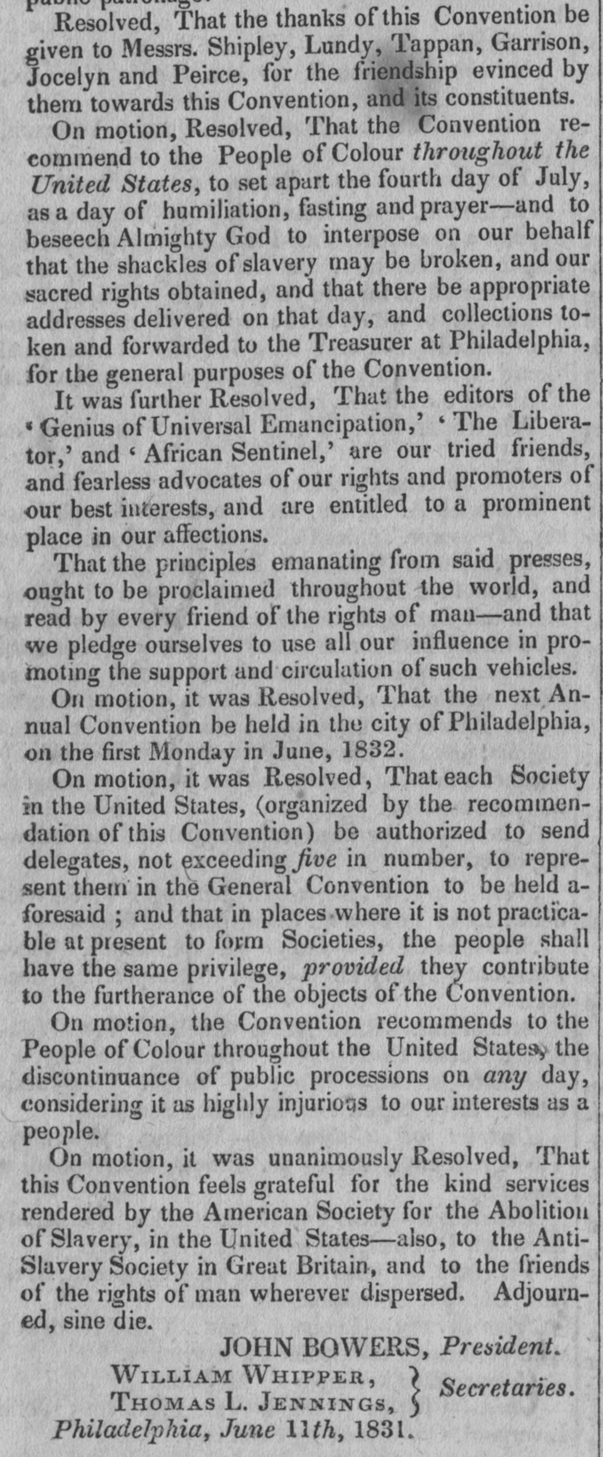
I most certainly did not have much experience transcribing any type of document, so as I began to navigate through the zooniverse website, I thought the quick instructions displayed above the text box into which I was going to transcribe, were very helpful. I ran into some challenges with deciphering certain words as some lettering had become smudged over time, this was definitely one of the first and most frequent difficulties in accurately transcribing the text. Not only did deteriorated text make it difficult to create accurate transcription, but it also prolonged the time it took to transcribe each document. Highlighting names of women also posed a challenge, specifically due to the fact that many documents, like the one I choose to transcribe, only utilized last names. There was also limited use of titles in front of surnames like Mrs, Mr, Miss, so it became challenging to figure out which names were that of women and which were that of men. Though this did pose a challenge in the actual process of transcribing, I found after looking up certain last names I was able to not only highlight which were women, but resultantly, now have a greater breadth of knowledge surrounding historical women that were important figures during the time period my document was from.
Significant Takeaways
Not only were we working to preserve fragile knowledge of such historical texts, but through rewriting each and every word on the multiple different pages of these documents, we were able to carefully search for selected names, impactful phrases, and different words and sentences that expand the frame in which we look at different historical periods. I found the emphasis put on locating and highlighting names of women, people of color, or underrepresented peoples very impactful. Preserving these documents is even more crucial when some peoples’ histories were not preserved in official archives. Going into the process with very little knowledge of this importance, left me very impacted by the ways in which a group of my peers and staff were able to work together to create multiple digital surrogates, in case physical copies of these documents become exceedingly damaged or deteriorate completely.
I would also like to emphasize the way in which my understanding of historical periods was expanded through the Colored Conventions project. I went into the project already having studied, previously in the semester, the importance of black women’s efforts before the Civil Rights movements in abolishing slavery, and advocating for women’s participation in political movements, so as I was transcribing documents I was simultaneously building multiple connections between the documents and different courses. Though I didn’t have much knowledge about how to transcribe documents until this presentation and class, I did have some base of knowledge surrounding the historical time in which many of these documents were from. I found this prerequisite body of knowledge the most helpful in understanding why it was important to transcribe such documents.
Conclusion
The Colored Conventions Program on Douglass Day was a very valuable experience; Both the process of learning how to transcribe documents, and the extent to which the experience helped build a better understanding of the history behind these documents was extremely beneficial. I would argue the most important takeaway from the Colored Conventions project was how transcription is crucial in recovering marginalized voices. In many ways transcription is a tool for historical justice, illuminates people who have been hidden throughout most of history. I found this idea to relate to the book we had read in the beginning of the semester, Claire L. Evans, Broad Band: The Untold Story of the Women Who Made the Internet, as this book provided a concise explanation of the women who were crucial in the creation of the digital world as we know it today, but went unnoticed due to gender discrimination. Transcription and books like Claire Evans, Broad Band are important and valuable pieces of text that illuminate how recognizing historical figures that were previously oppressed for reasons of race, gender, or sexuality, is not just important in building a greater understanding of history, but rewrites histroy in a way that future generations will be able to learn from. In my opinion the Douglass Day presentation was a microcosm of the approach that historians, and all of us collectively should be taking when looking at archival documents, not just working to preserve them, but focusing on figures hidden within them that were really the ones that made changes throughout history.
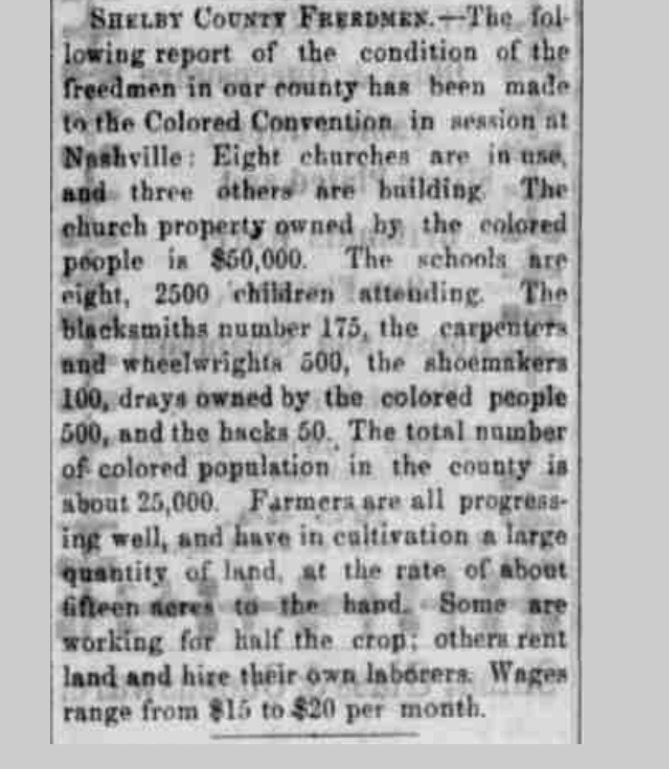
 These meetings were not informal or symbolic, they were serious and strategic gatherings. Delegates debated issues like education, voting rights, and economic opportunity with intention and urgency. Reading their words made it clear that they were not simply reacting to oppression, they were actively planning for the future. What stood out to me while transcribing these documents was how organized everything was. Motions were proposed, amended, and voted on. Committees were formed, language was chosen carefully, and seeing this unfold line by line made the movement feel very real. It was not just an idea discussed in class or summarized by a textbook, it was a living process, carried out by people who understood the stakes of what they were doing.