New Connections
Before this class, I hadn’t thought much about the relationship between computers and the humanities. I had seen it simply as a tool for drafting/translating works into a digital format, primarily for neatness and assignment submission. Following our classes and our exploration of/introduction to the fluid text edition of Walden (and its accompanying HTML file), I’ve begun to see the greater importance of computers as a tool to make works more accessible. Computers, firstly as machines, enable us to translate manuscripts into a uniform digital version and font that is easily readable by most people. With the aid of servers and programming languages, they enable the creation of websites that anyone can access and, thereby, read works of the humanities. Considering the fluid text edition of Walden, the use of computers/programming enables readers to see the development of the text through its different drafts by isolating the changes (shown through the green words and strikes throughs) side-by-side. Without this edition of the work, which was made possible by computers, readers would have to go one-by-one through each manuscript and painstakingly try to locate all the changes.
Personal Impacts
The most significant impact this course has had on me thus far is how it has completely changed my relationship with my computer–how I approach, think about, and interact with my device. I’ve found myself frequently using Terminal to navigate my computer and make new documents rather than going through Finder, which I’d been doing basically my digital life. In many ways, it’s made small tasks more efficient (not having to go through the opener page of Word before making a new doc or scrambling to save it in the proper file/location at the end of class). Alongside this, it’s also changed how I visualize the form/organization of the computer in my mind: how everything is connected and the language I use to interact with it.
This new knowledge has also changed my notetaking practices. I’ve started using markdown when taking notes for other classes, utilizing the basic “language” to section off and organize them as I go. I also learned how to add/modify the basic journal script we used in class to create an automatic/pre-formatted outline for my class to fill in as I go. It’s helped me stay organized without the pesky task of repetitively copying & pasting or typing out a new outline every time I want to take notes. I’ve also started using it to draft poems and papers because I can divide different drafts/versions using leveled headers.
Future Ambitions
This new knowledge and understanding has catalyzed my newfound obsession with coding and using Terminal. It’s introduced me to a new subject and set of skills I can learn. I’ve always wondered about the inner workings of computers and what exactly “coding” meant, but had previously relegated it to the collection of “questions I have, but probably won’t understand the answer to.” The things we’ve covered so far have provided me with the basic tools and understandings to start rooting through my computer. It’s also instilled in me the confidence that I’m capable of learning/understanding programming and web development. Now, in my spare time (and sometimes when procrastinating), I’ve started rooting through my computer: I’ve taught myself how to move files more efficiently, how to root out pesky software/apps that I’ve been trying to find and delete forever, and how to override permissions (of course with the help of google).
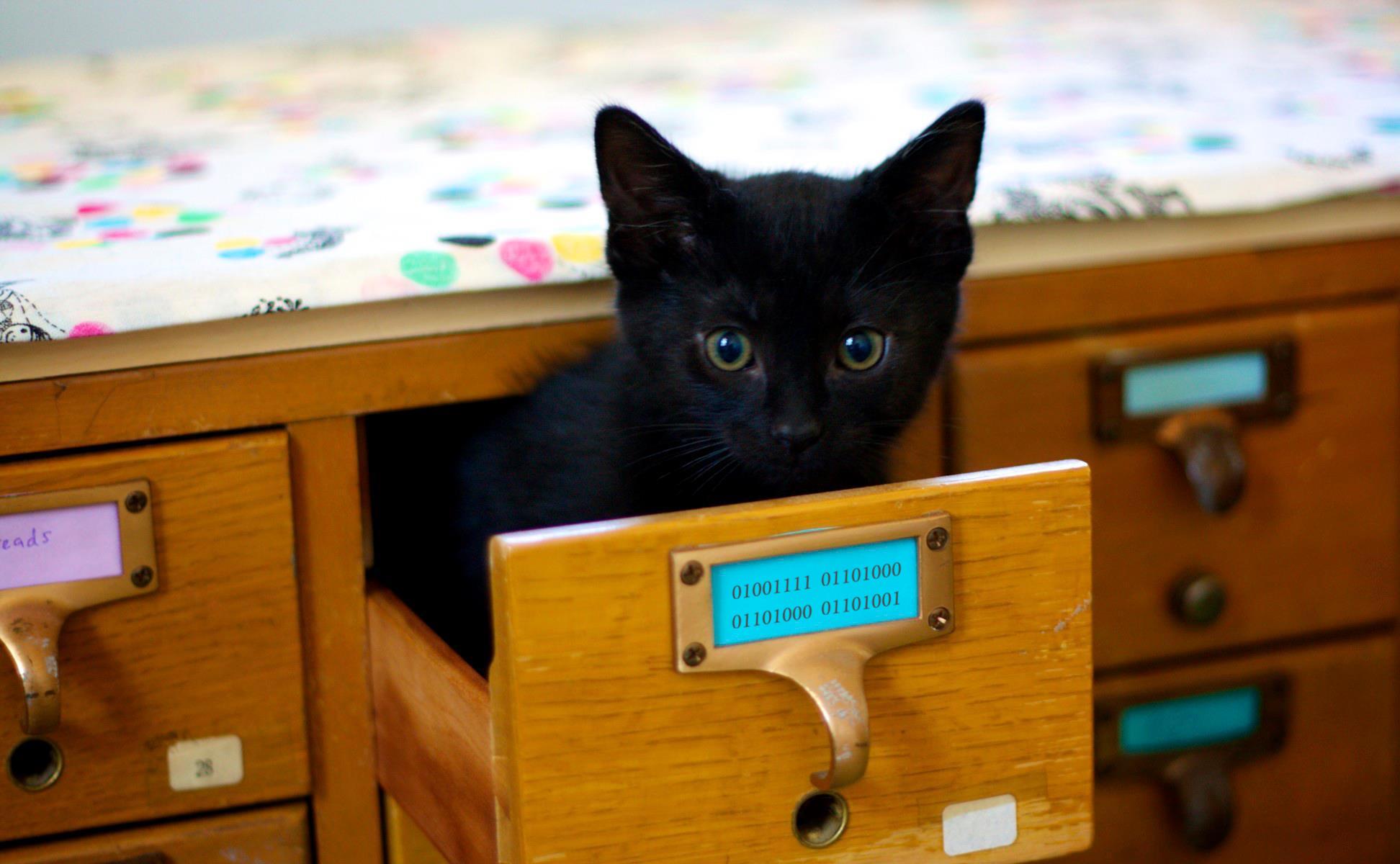
Another one of my new curiosities/ambitions is to learn about how binary relates to code and the mechanisms/information that enable our computers to work. I also want to know more about writing/modifying the code on (?) my computer to achieve things that aren’t possible (even with the advent of Apple’s new “Shortcut” app), particularly with the multiple keyboards/languages and special characters (the options in system preferences sadly hasn’t given me the power to do what I want). In general, though, I’m interested in learning about/starting the journey to discover the limits of computers (what can and can’t be done? What can I mess with? What can’t I? And why?).