Jumping into History on Douglass Day

Just recently, I was called by duty of class credit to participate in the annual Douglass Day celebration! This turned out to be an excellent opportunity, as I knew precisely nothing about the event, nor about the Colored Conventions Project, or even transcribing documents in general. Luckily, I learned a lot!

What is Douglass Day?

This holiday is meant to commemorate the life of Frederick Douglass, a very famous leader of African-American Rights. Although he did not know his own birthday, he chose to celebrate it one Valentine’s Day, so the event takes place just the day before his decided birthday. The event is hosted by the Colored Conventions Project. The organization is named after the real “colored conventions” made up of largely African American people. The conventions were political meetings that started with the hope of getting African Americans more rights in the United States, and in Canada. Frederick Douglass attended a few of these meetings himself. An event is hosted by way of a livestream on Douglass Day, and includes speakers on the history of colored conventions and their meanings, a bake-off on who could make the best birthday cake for Frederick Douglass, and even singing happy birthday. Of course, most of the stream is time dedicated to time spent transcribing documents on these Colored Conventions.

The Main Event- The Transcribe-A-Thon!

The vast majority of the event consists of the transcribe-a-thon. This is, well, it is exactly what it sounds like. From their organizations that are hosting the event, or possibly even people who are simply tuning in to the stream from home, people log into whatever site is being used this year for Douglas Day, and find a bunch of documents that seem to be a series of records from different Colored Conventions meetings. They use the time of Douglass Day to transcribe these documents, typing out word for word exactly what these documents said. This was very different from what I thought transcribing was. To be clear, I did not even think that one needed to transcribe documents that were already digital before partaking in this event. It hadn’t even crossed my mind that one would be someone typing out what was already visible as a picture on the computer screen. Upon actually participating, I realized how silly of an assumption this was. First of all, a lot of these documents were marked down in handwriting. While I was lucky enough to avoid coming across any documents like this, the rules listed on the official Douglass Day website imply that there are quite a few. This means a lot of people could find it tricky to read, especially if it happens to be cursive. I think that most people would agree that any good old serif font is much easier on the eyes than any handwriting, no matter how neat it may or may not be. On a similar vein, even if the majority of these documents were properly printed in something that resembled text, they were still pretty old. The ink might have run in a couple of these documents, which is another reason why they might be harder to read. These are just a couple reasons why it is good to have these documents typed out so that the wider public can access them without too much of a headache. Even better that enough people participate in Douglass Day that these documents can have multiple pairs of eyes looking at them, just to better the odds of getting the correct transcription written down. Clearly, if I did not even realize this type of transcription was a thing, I certainly did not know how to do it. I honestly felt like I was thrown into the deep end when I first sat down, expected to type out these documents. Luckily, it was not too hard to pick up. Geneseo has its very own website to guide any students new to the event through what was expected of them, so all I really had to do was follow the steps. Unfortunately, that does not mean there were not a few hiccups on the road to discovery.
This year, the documents we were meant to be transcribing were found on a website known as Zooniverse. The trickiest thing I really had to face was remembering to mark down all the names I found, and remembering to do so in a certain order. Geneseo’s website recommended separating them by semicolons, and remembering to mark down any titles. It is not the hardest thing on paper, but there were times when I was in a flow and had completely forgotten to write down a name, or wrote down the same name twice and later had to fix that. Overall, though, it was a pretty great experience. There is something exciting about having to figure it all out without being explicitly told. I learned a lot, and it was nice to be a part of something bigger than myself.

What did I learn about Colored Conventions

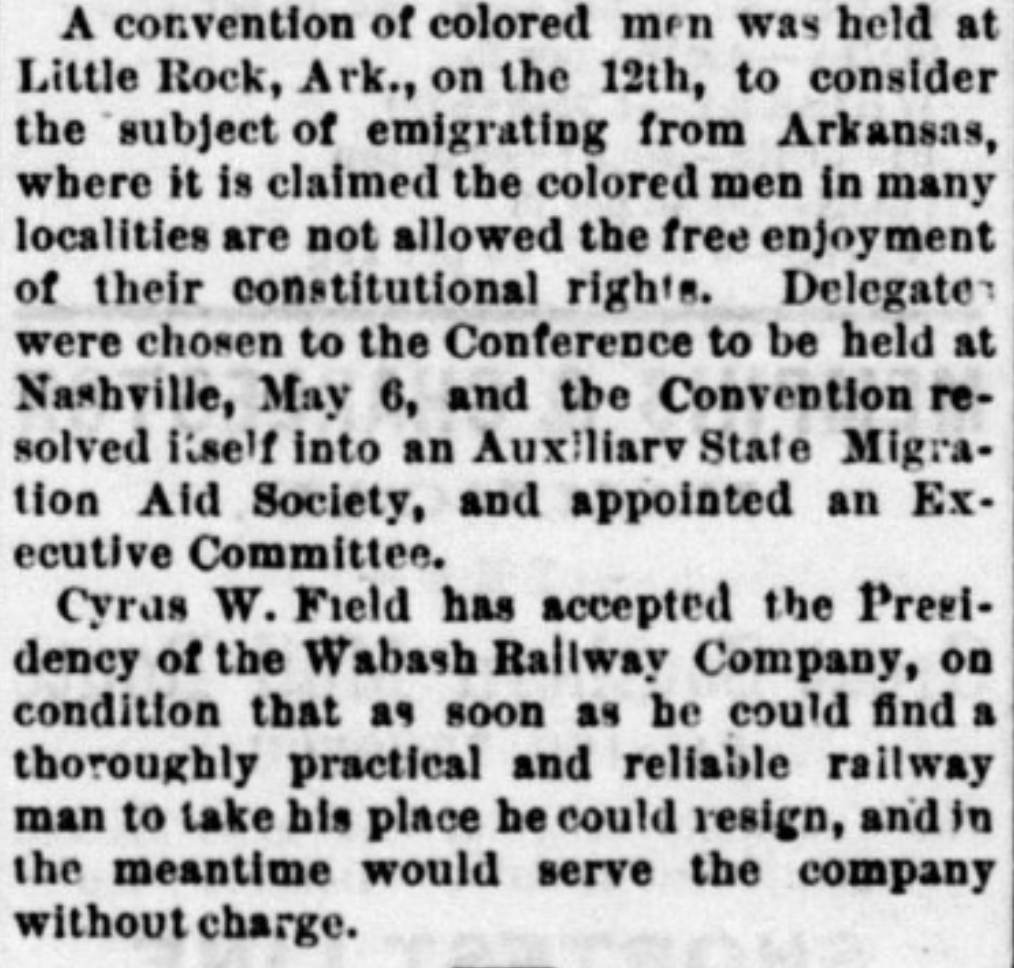
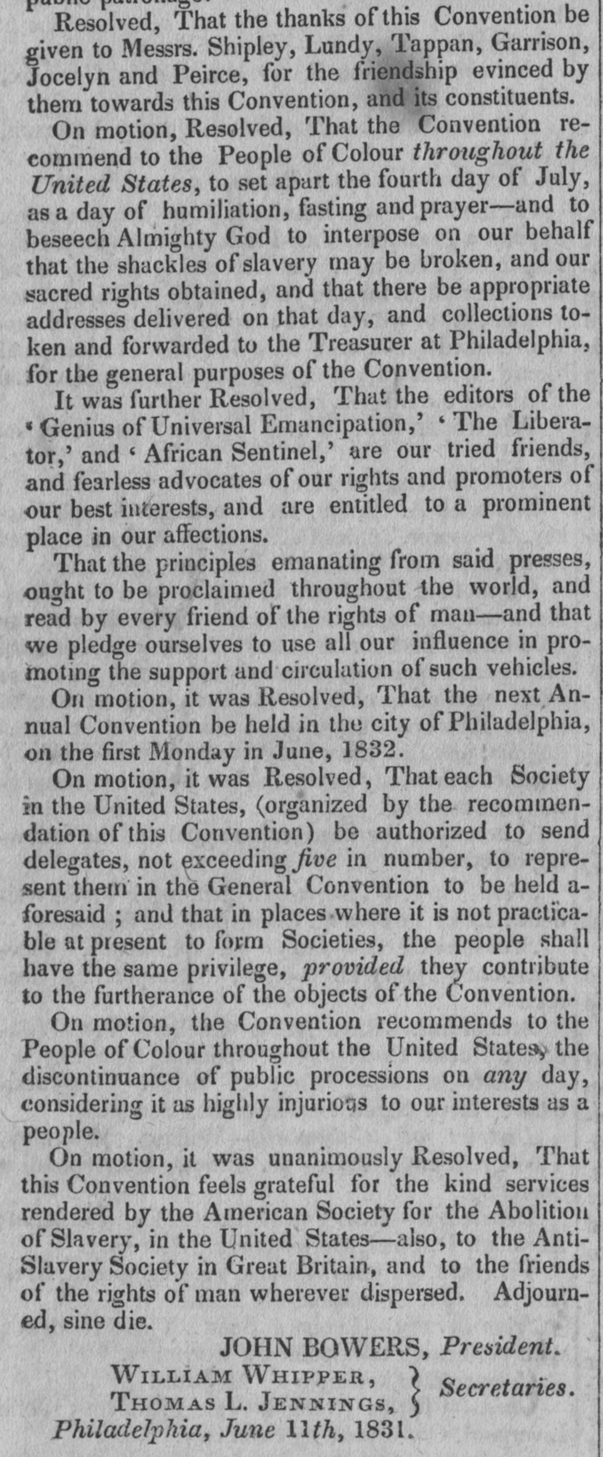
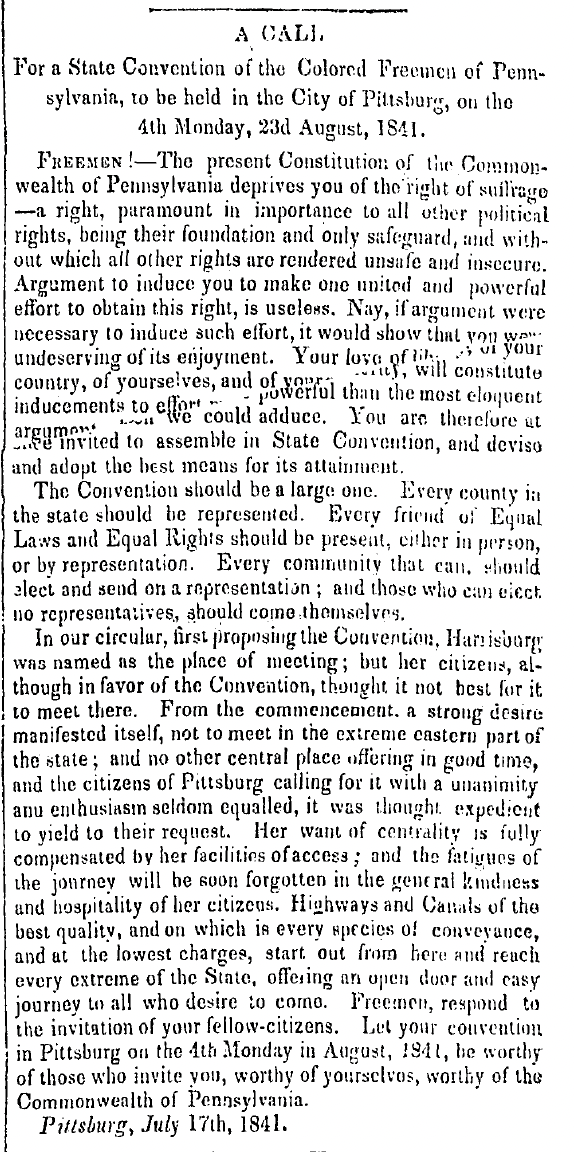
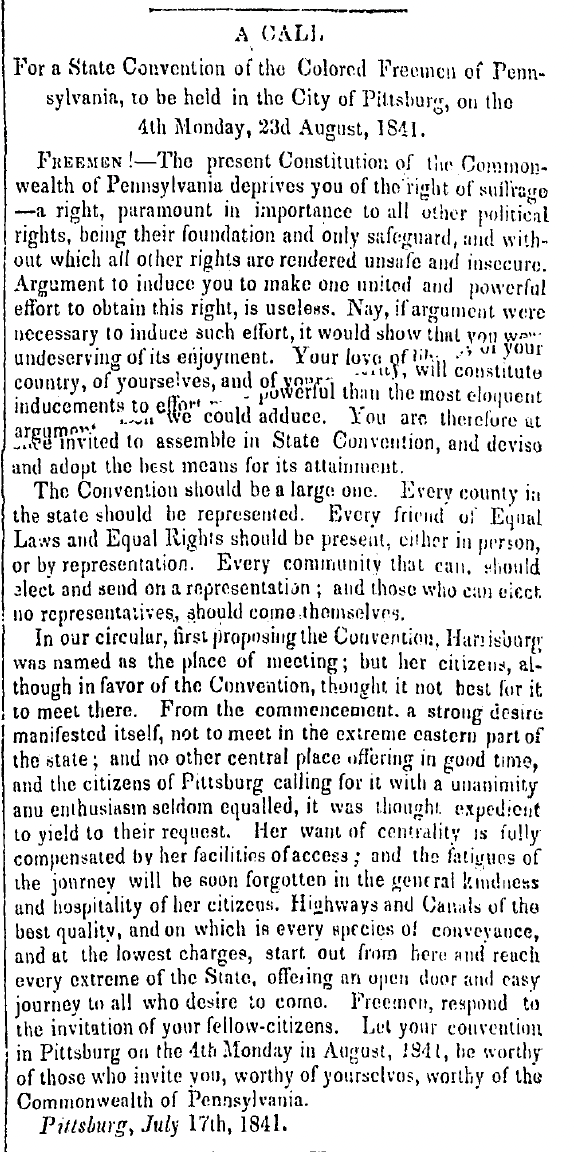
I transcribed a few document the Pennsylvania section. Non of them are the one pictured in this post, unfortunately. There were a few problems with the webstie to prevent me from getting that, but the picture is a good idea of the type of documents we were working with. I learned an array of names, and vast amount of people who attended these colored conventions. I also learned of a precedent that many people about to enter a position of politcal power may have believed in equal rights in terms of voting, but kept quiet about it for a better chance of election. This led to a pledge in one of the Colored Conventions that the member would not support any candidate who was not sure to support equal voting rights.
For The Blog Post!!

Frederick Douglass and transcribing documents

ShelbyCountyFreedmen

Previously to the transcribe-a-thon, I had no idea what the colored convention movement was or what it had entailed. I also have never worked with any digitized archival documents let alone transcribe them. All of this was a brand-new experience for me as well as the information regarding the transcriptions. I think that the colored convention movement is incredible and what they are doing is very important. It felt rewarding to be a part of a movement like this and know that even just a small contribution can be extremely helpful. Transcribing documents is crucial to preserving the documents historical values and its impact on the development of African American political thought and organization. The transcription gives historical context for the movement’s issues it addresses like education, labor, and legal justice. It also fosters community engagement by allowing individuals to connect with the history and current civil rights struggles.

Some challenges that I faced during the transcription were initially navigating the website and trying to follow all of the instructions. I was quite confused about the process on how to find and report names in the documents. Some of the documents were also difficult to read and understand what was written. I was eventually able to find the correct way to identify names after playing around with the Zooniverse website. If there was a document that was illegible, I would just move onto a different one that I could read and transcribe that one.

One of the documents that I transcribed (not pictured) mentioned the city of Rochester NY which is quite close to Geneseo and where I grew up. It was interesting to see that the colored conventions movement operated so close to myself. I found the process to be slightly calming, copying words down exactly how they’re written and reading along without the stress of an assignment was oddly soothing.

When engaging with the archival documents I learned a lot about the colored conventions movement and the documents. It covers issues like labor rights, voting laws, education, health and many more. It laid the groundwork for later African American institutions. Reading the documents as I transcribed them made me become more interested in the issues that were addressed and the movement itself. I also never heard of Frederick Douglass day so I learned a lot about him and how he impacted the colored conventions movement.

Rewriting History

Previous Knowledge

In my opinion, the Douglas Day transcribe-a-thon where students were able to transcribe documents from the Colored Conventions Movement truly embodied the best of academia. This event gave college students the opportunity to play a direct role in engaging with documents from the past and contribute to their preservation which extends beyond the typical classroom activities. Participating in the transcribe-a-thon on Douglas Day gave me a strong sense of autonomy and transformed my understanding of history because for the first time I felt like I was immersed in this discipline. In high school I had always been fascinated by my AP European and United States history courses, and the study of history overall. I always recognized the importance of teaching and learning the true history of the country in which we live because honest education ensures that we don’t make the same mistakes. In all of my prior schooling about American history and the Civil Rights movement beginning in the 1950’s, I was never taught about the Colored Conventions Movement.

Since reading documents from the Colored Conventions Movement in the transcribe-a-thon, I have learned about a significant force of Black activists, leaders and civilians who fought for Civil rights, educational and labor equality and the abolition of slavery. It is essential that we know the name of the Colored Conventions Movement and the political advocacy and mobilization that they created in order to understand the reality of Black civil rights in America. Too often, White northern abolitionists get credit for fighting for the freedom and rights of Black civilians in America, when it was truly them who fought for their own liberation and progress. It is time that white saviorship is criticized and The Colored Convention and their strategized effort is recognized and taught.

My Experience

Screenshot 2026-02-26 at 12.54.06 PM
I am embarrassed to admit that prior to this experience I knew digital archival documents existed and were a valuable resource for academia and education, but I wasn’t sure who played a role in physically transcribing them. The act of transcribing allowed me to take ownership over my learning, as someone who finds interest in history and studying documents from the past. Transcribing made me feel as though I was contributing to something meaningful in society. Transcribing the document for Douglass Day was very easy, and took less than ten minutes which made me realize how easy it is to contribute to an important cause that is preserving historical documents. Our role in transcribing made documents more accessible through digital media, as well as identifying different people, specifically females and giving them credit for their impact in history. I felt as though transcribing the archival documents was slightly disheartening because it felt like I was ruining the authenticity of the document and that it was losing its character as it was typed. However, I understand that the digitized version can exist for functionality while the charm and originality of the document will not be lost in its original form.

Finally, I realized the importance of identity in these documents, as history tells a story that can strategically leave individuals out in order to teach a certain narrative. During the time period of the 1800s and 1900s women were commonly left out of fields of leadership, advocacy and political participation. Their role, even though essential, was under valued and not acknowledged in order to maintain females’ subordinate place in society. It is essential that we uncover the names of women who played a crucial role in the Colored Conventions Movement and the fight for civil rights. It is a privilege and an honor to be a female in today’s world, able to contribute to rewriting the narrative.

Challenges and Learning

The only challenge I experienced during the transcribe-a-thon was with internet service and connection due to the overpopulation of Zooniverse during Douglass Day. Ironically, this exposes a fundamental flaw of digital media compared to print which is a topic we are discussing in class. Digital media and transcription presents an issue of internet connection and service which undermines our goal to improve the accessibility of a document. After a short amount of time, the service issues were cleared up and I was able to transcribe documents as intended. In this process I learned that formatting is insignificant when it comes to document transcription and that what truly matters is the content and the story you are transcribing. The formatting of the archival document is special and unique to that of its original paper form and that doesn’t need to be replicated in the digital version because fortunately, the original edition can always exist.

Transcribing archival documents from the Colored Conventions Movement allowed me to be involved in recording history and take an active role in digitizing very important documents. Additionally, my experience with the specific documents gave me insight into the political and social climate of this time and the individuals as well as the efforts that they were fighting for in terms of civil rights, labor and social equality. I now know about the Colored Conventions Movement and the significant role they played in American history.

Rewriting the archives: Transcription and historical significance of hidden figures.

Introduction

Pennyslvania

The experience of transcribing archived historical texts was one that was deeply impactful in my understanding of archival documents and the history in which they belong to. Thanks to the Colored Conventions project, I had the opportunity to look at a variety of old texts and analyze them by first transcribing the texts and then searching through these documents and transcriptions in order to highlight names of women and unknown peoples. These two processes lead me down a path of not just learning about the ways in which digital technology increases accessibility and knowledge surrounding old documents, but also extends the frame in which history has been restricted to. For example, the significance of highlighting and typing out names of women is extremely important when it comes to understanding the ways in which certain peoples were not given credit for their political/societal activism due to their race, gender, ethnicity, or socio-economic status. History in many ways, has been written with the focus pertaining to predominantly white men and their accomplishments or influence over modern day society. Transcribing archival documents and acknowledging the figures in them that would not normally receive representation is a crucial piece of rewriting history to encompass the achievements and accomplishments of diverse peoples: accomplishments that furthermore, were very impactful to the historical period in which they lived. The Colored Conventions project illuminates these themes surrounding how we as people must start looking at history, and was also an impactful experience, bringing the practice of transcribing texts to the forefront and offering deeper insight to digital technology and the way in which it expands our knowledge of historical documents.

Previous Knowledge

Going into the Colored Conventions project, I really had no prior expertise or even practice with transcribing historical documents. I was going into the Project almost completely blind to what the process of transcription looked like and what types of documents I would be looking at. Through the class period and as I participated in the process of transcription outside of the Douglass Day celebration, I found myself admiring the way in which each time I returned to the Zooniverse website there was a higher percentage of documents complete and closer to being fully transcribed. One of the underlying impacts of the event itself, was the ways in which the process of transcribing historical documents brought together a community of people. It was very inspiring seeing many of my peers and staff join together for an event with the purpose of preserving important and significant pieces of history, while also working to craft an increased understanding of the historical context in which these documents have relevance.

I most certainly did not have much experience transcribing any type of document, so as I began to navigate through the zooniverse website, I thought the quick instructions displayed above the text box into which I was going to transcribe, were very helpful. I ran into some challenges with deciphering certain words as some lettering had become smudged over time, this was definitely one of the first and most frequent difficulties in accurately transcribing the text. Not only did deteriorated text make it difficult to create accurate transcription, but it also prolonged the time it took to transcribe each document. Highlighting names of women also posed a challenge, specifically due to the fact that many documents, like the one I choose to transcribe, only utilized last names. There was also limited use of titles in front of surnames like Mrs, Mr, Miss, so it became challenging to figure out which names were that of women and which were that of men. Though this did pose a challenge in the actual process of transcribing, I found after looking up certain last names I was able to not only highlight which were women, but resultantly, now have a greater breadth of knowledge surrounding historical women that were important figures during the time period my document was from.

Significant Takeaways

Not only were we working to preserve fragile knowledge of such historical texts, but through rewriting each and every word on the multiple different pages of these documents, we were able to carefully search for selected names, impactful phrases, and different words and sentences that expand the frame in which we look at different historical periods. I found the emphasis put on locating and highlighting names of women, people of color, or underrepresented peoples very impactful. Preserving these documents is even more crucial when some peoples’ histories were not preserved in official archives. Going into the process with very little knowledge of this importance, left me very impacted by the ways in which a group of my peers and staff were able to work together to create multiple digital surrogates, in case physical copies of these documents become exceedingly damaged or deteriorate completely.

I would also like to emphasize the way in which my understanding of historical periods was expanded through the Colored Conventions project. I went into the project already having studied, previously in the semester, the importance of black women’s efforts before the Civil Rights movements in abolishing slavery, and advocating for women’s participation in political movements, so as I was transcribing documents I was simultaneously building multiple connections between the documents and different courses. Though I didn’t have much knowledge about how to transcribe documents until this presentation and class, I did have some base of knowledge surrounding the historical time in which many of these documents were from. I found this prerequisite body of knowledge the most helpful in understanding why it was important to transcribe such documents.

Conclusion

The Colored Conventions Program on Douglass Day was a very valuable experience; Both the process of learning how to transcribe documents, and the extent to which the experience helped build a better understanding of the history behind these documents was extremely beneficial. I would argue the most important takeaway from the Colored Conventions project was how transcription is crucial in recovering marginalized voices. In many ways transcription is a tool for historical justice, illuminates people who have been hidden throughout most of history. I found this idea to relate to the book we had read in the beginning of the semester, Claire L. Evans, Broad Band: The Untold Story of the Women Who Made the Internet, as this book provided a concise explanation of the women who were crucial in the creation of the digital world as we know it today, but went unnoticed due to gender discrimination. Transcription and books like Claire Evans, Broad Band are important and valuable pieces of text that illuminate how recognizing historical figures that were previously oppressed for reasons of race, gender, or sexuality, is not just important in building a greater understanding of history, but rewrites histroy in a way that future generations will be able to learn from. In my opinion the Douglass Day presentation was a microcosm of the approach that historians, and all of us collectively should be taking when looking at archival documents, not just working to preserve them, but focusing on figures hidden within them that were really the ones that made changes throughout history.

Making history legible

ShelbyCountyFreedmen
Participating in the Douglass Day transcribe-a-thon, I expected it to feel mostly technical. I thought it would be about typing, accuracy, and maybe learning a few historical details along the way. What I did not expect was how personal it would feel. Sitting at my laptop, slowly working through documents from the Colored Conventions Project, I found myself genuinely absorbed, not just in what the words said but who had written them and why they mattered. It is hard, especially in this day and age, to connect oneself with writing like how I connected on Douglass Day.

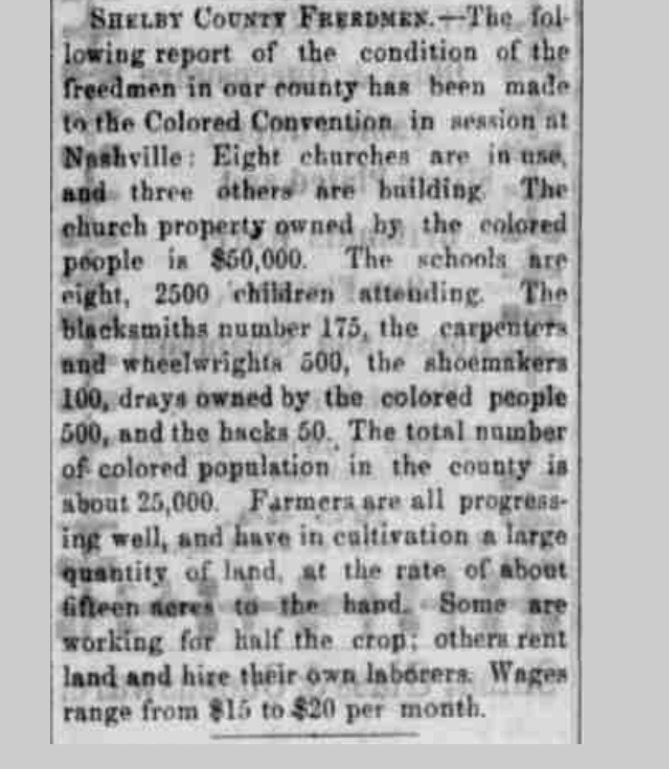
Before this, my understanding of the Colored Conventions movement was pretty surface-level. I knew it involved Black leaders organizing in the nineteenth century to fight for civil rights and equality, and I associated it with names like Frederick Douglass. But I had not really thought about how extensive or coordinated the movement was. Transcribing the convention proceedings changed that. For example, during the transcribe-a-thon I looked at a document that was a report of the freedmen in Shelby County. Shelby County FreedmanThese meetings were not informal or symbolic, they were serious and strategic gatherings. Delegates debated issues like education, voting rights, and economic opportunity with intention and urgency. Reading their words made it clear that they were not simply reacting to oppression, they were actively planning for the future. What stood out to me while transcribing these documents was how organized everything was. Motions were proposed, amended, and voted on. Committees were formed, language was chosen carefully, and seeing this unfold line by line made the movement feel very real. It was not just an idea discussed in class or summarized by a textbook, it was a living process, carried out by people who understood the stakes of what they were doing.
The experience also changed how I think about digital archives. I have used online databases plenty of times, but I have always taken their readability for granted. Working with scanned documents show me how much effort goes into making historical materials accesible. Some pages were faded or slightly damaged, the spelling and punctuation did not always match modern conventions, and certain words took a couple of tries to decipher. It made me realize that digital archives are not effortless or automatic, they are build through careful, and often invisible labor. Now when I use online databases with digital archives, I will remember just how much work and dedication goes into making something accessible for all.

Transcribing the documents was harder than I expected. I assumed it would be mostly a matter of copying text, but it required real focus. I had to slow down and look closely at every word, even when I thought I already knew what it said. There were moments where a single unclear word stopped me in my tracks. In those moments, context became extremely important. Reading surrounding lines, double-checking spellings, and sometimes just taking a breath and coming back to it helped me move forward. At times I would type quickly because I was able to read the document quickly, then when I went back to check my typing there were many errors. As a result of that, I had to go back, reread, and retype, so it took even more time. One thing I learned quickly was how tempting it is to “fix” the text (to modernize spelling or smooth out some of the awkward phrasing). But I learned that transcription is not about making the document easier to read, it is about preserving it as accurately as possible. Letting the document speak in its original voice felt important. Those small quirks in language are part of the history, which makes it easier to appreciate the document as a whole.

What surprised me the most was how connected I felt to the people behind the documents. Typing their words created a strange sense of closeness, almost like if I were listening in on their conversations from nearly two centuries ago. Their concerns did not feel distant. Issues like access to education, political representation, and economic fairness still resonate today. That realization made the past feel less like something finished and more like something ongoing. In this day and age, I think that is important for everyone to transcribe documents like these at least once. The hardships and issues that they experienced are being experienced today, but in a slightly different font.

By the end of the transcribe-a-thon, I did not feel like I just had completed an assignment. I felt like I had contributed to something meaningful. Helping turn fragile historical documents into accessible digital text made me feel connected to both the past and the present. It reminded me that history is not only preserved by famous figures or major institutions, it is also preserved by students, volunteers, and everyday people willing to spend time engaging with it.

Connection Across Time

One of the Documents I Transcribed
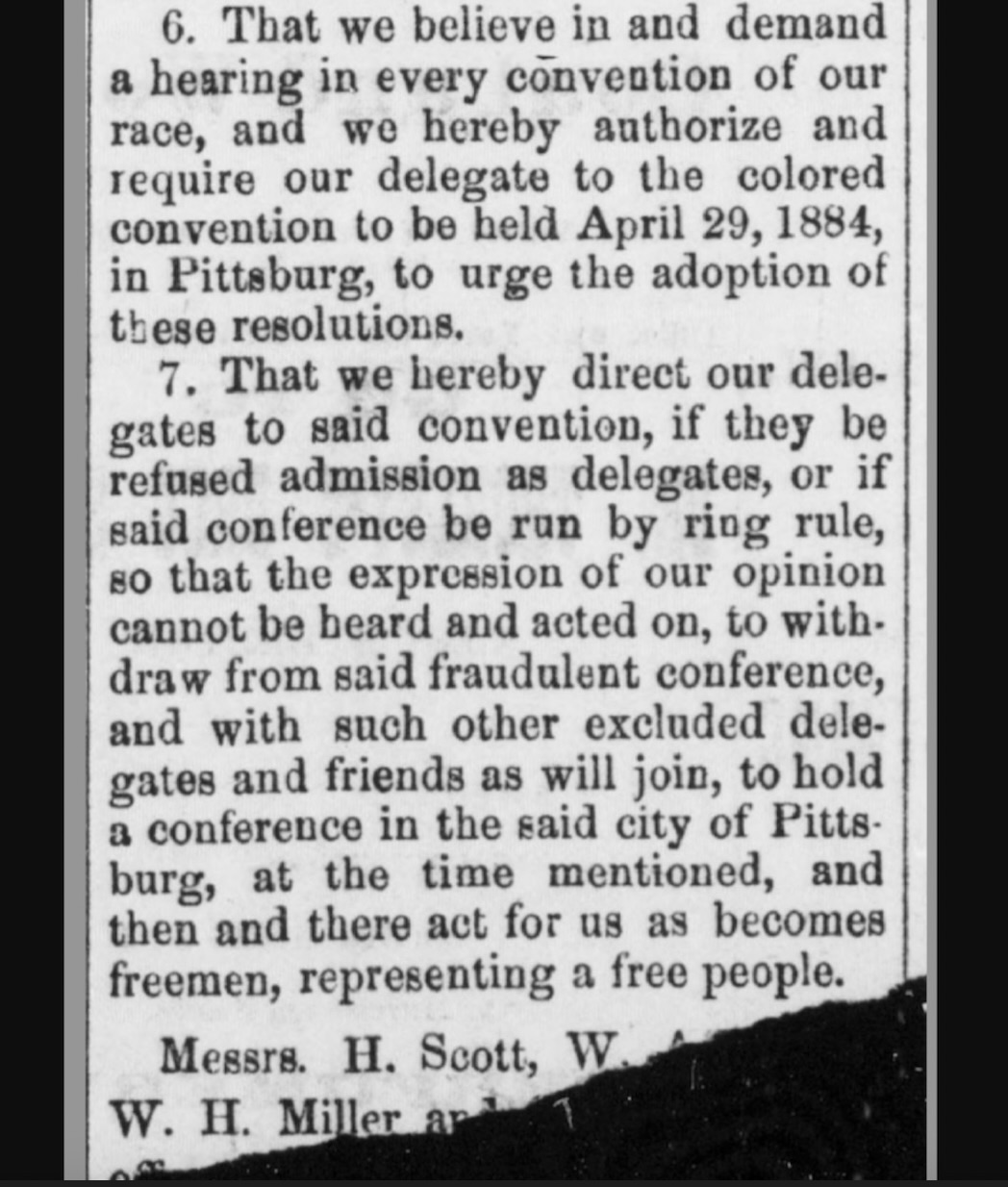
Before participating in transcribing documents on Douglass Day, I was unaware of what the Colored Conventions Project was. I not only got to experience something new for myself, but I was also so thankful to learn about such a good and cool thing. I learned that the Colored Conventions Project is a digital history and research project that focuses on recovering and sharing the history of nineteenth-century Black political organizing. Throughout history, Black voices have been silenced, and I loved experiencing being a part of something as amazing as what the Colored Conventions Project is doing. On Frederick Douglass’s birthday, participants celebrate by coming together to help preserve and transcribe Black historical documents in an event called the transcribe-a-thon. When I first arrived at the event, I didn’t really know what was going on until I heard my teacher say what to do. He said to sign up on a website called Zooniverse. I had some trouble logging into the website because so many people were transcribing and participating in Douglas Day. I overcame this issue by retrying signing up a couple of times, and eventually it worked. I then said something on the website that said “Douglass Day,” which I clicked on. It brought me to choose which state I wanted to transcribe documents from. Once I chose Pennsylvania, it brought me to the screen to transcribe. I then began typing in VS Code, which I would eventually copy and paste over to the website text box. I had never transcribed something before, and I actually really enjoyed it, which surprised me. When I began transcribing, I ran into a couple of problems with how to accurately transcribe. I was worried I would mess up the spacing, spelling errors, or certain extra text on the documents that weren’t clearly written in the main text. I overcame the issue by looking at the directions on the transcription page, which told me specifically how to go about these issues, which was really helpful. I transcribed one longer document and one shorter one before I ran out of time. The longer document seems to be from the proceedings of the First Annual Convention of the People of Color. The shorter document is a fragment of political resolutions from a Colored Convention in 1884, where African Americans held meetings to organize politically after the Reconstruction. These documents were published to discuss ideas about education, civil rights, abolition, and Black self-organization among free Black communities in the 1800s. I used AI to help me identify where these documents came from because I couldn’t figure that out on my own. There were at least around thirty people in the room I was in, and a live stream with a chat where people could communicate and also come together from all around the world to recover Black history together. During the live stream, they not only discussed the event, but they also did certain things to celebrate the day. They did things like sing the happy birthday song to Frederick Douglass, reenact speeches, and had birthday cake. The room that I was in also had a birthday cake at the front of the room for people to eat if they chose. They were saying on the live stream that they were breaking records with the amount of participation in the event this year. Nearly 7,800 people participated in the event this year from all around the world. That is such a huge number of people coming together to make a difference. Engaging with archival documents during the transcribe-a-thonon Douglass day made me see history with a different perspective. It made history feel more immediate and human. Instead of looking at history using textbooks or stories told by outsiders, I was seeing history with primary sources and firsthand documents. It made me feel more connected to that history and to the people behind these documents. It was also interesting seeing the different uses of language that people had in different time periods through this experience. It wasn’t just the history that I found enlightening about this experience; it was also the collaboration that such a large group of people had during this event. I always find it so beautiful when so many people come together to do something, especially when it’s something so impactful like this. Making Black history more accessible and visible is so important, and participating in such an event was such an amazing experience. It is such a cool thing how many people came together for this event, and I loved being one of them.

Preserving History

Background:

While I unfortunately missed class on Douglass Day due to a doctor’s appointment, I still had the opportunity to participate in the transcribe-a-thon on my own time. Honestly, before this, I wasn’t at all aware of the Colored Conventions movement. Though it is entirely possible I learned about it in History class at some point and wasn’t paying attention, (History is not my strong suit). However, I am so glad that I have become educated on such an important movement now.

Biggest Takeaway:

I am so grateful to have been able to participate in preserving such an important part of history. Being able to transcribe primary sources from the 1800’s campaigning for civil and human rights, so that they can still be learned about today, is a huge privilege. It sounds basic, but the idea of maintaining history has been the biggest takeaway for me. There are probably so many important movements and historical moments that have been lost along the way because people didn’t have access to transcribed or preserved documents. While some people may argue against digitalizing everything, it allows items that can easily be lost to stay alive forever. That is a big positive in terms of digital media. While nothing is guaranteed, it is way more challenging to lose or destroy a digital record than a physical one. Especially with overlooked historical moments such as this, it will allow for this history to never be lost.

I have worked with many digitized historical documents throughout my time as a student, but never really thought about the work that goes into it. Especially with technology now, if I need to digitize something I’ve handwritten, I can open my camera app, have it scan what I wrote, and copy and paste it into a document. Due to this, I feel as though I may have been a bit naive toward the process of transcribing documents. However, it is a real task that needs to occur for these documents to be preserved digitally, and it is a task that requires a lot of work, precision, and patience. I have grown a great appreciation for those who do this for a living as it is a very tedious job.

I often only have thought about the job of transcribing in the sense of translation. Like, if a document was written in Spanish and needed to be available in English as well. However, it makes a lot of sense to transcribe old documents to digitize them. Especially if they are hand-written documents, even if the technology to simply scan text and copy and paste it had always been available, it likely wouldn’t transcribe correctly due to being messy, worn-out, or just generally unreadable. I can see how this could be even more challenging as a career to try to decipher what had been written in old, cursive, messy handwriting or worn-out papers.

Connection:

It reminds me of our chat with Beth Witherell when she talked about the challenge of understanding handwriting in her job as editor-in-chief of the Princeton version of Walden. While she acknowledged that it is a difficult task, she also provided a few ways in which she makes it manageable when working with manuscripts dating back to the mid-19th century. She explained that working with others is always helpful as two heads are better than one. One person may see something one way, while the other may see it differently. Or maybe one person is better at deciphering old-fashioned cursive than the other. Whatever it is, working with someone else is more likely to lead to a correct transcription.

However, the other tip she provided was the one that stood out to me more. She shared that researching the time period that the document was written is very beneficial as well. Specifically dissecting the language used during that time. This is so that she can keep an eye out for slang or words we rarely see now. Also, she said it helps to know as much as possible about the author and their writing style. With knowledge of both of these areas, deciphering the text will be easier as the transcriber can make predictions and inferences based on what they already know.

Reflection:

Luckily, the document I transcribed was pretty easy to transcribe. It was typewritten, so the only difficulty was really certain areas that had faded or become worn out. Overall, it was an enjoyable and satisfying process. It also feels really good to know you’re contributing to preserving important historical moments.

The Encountering of the Colored Conventions Through Transcriptions

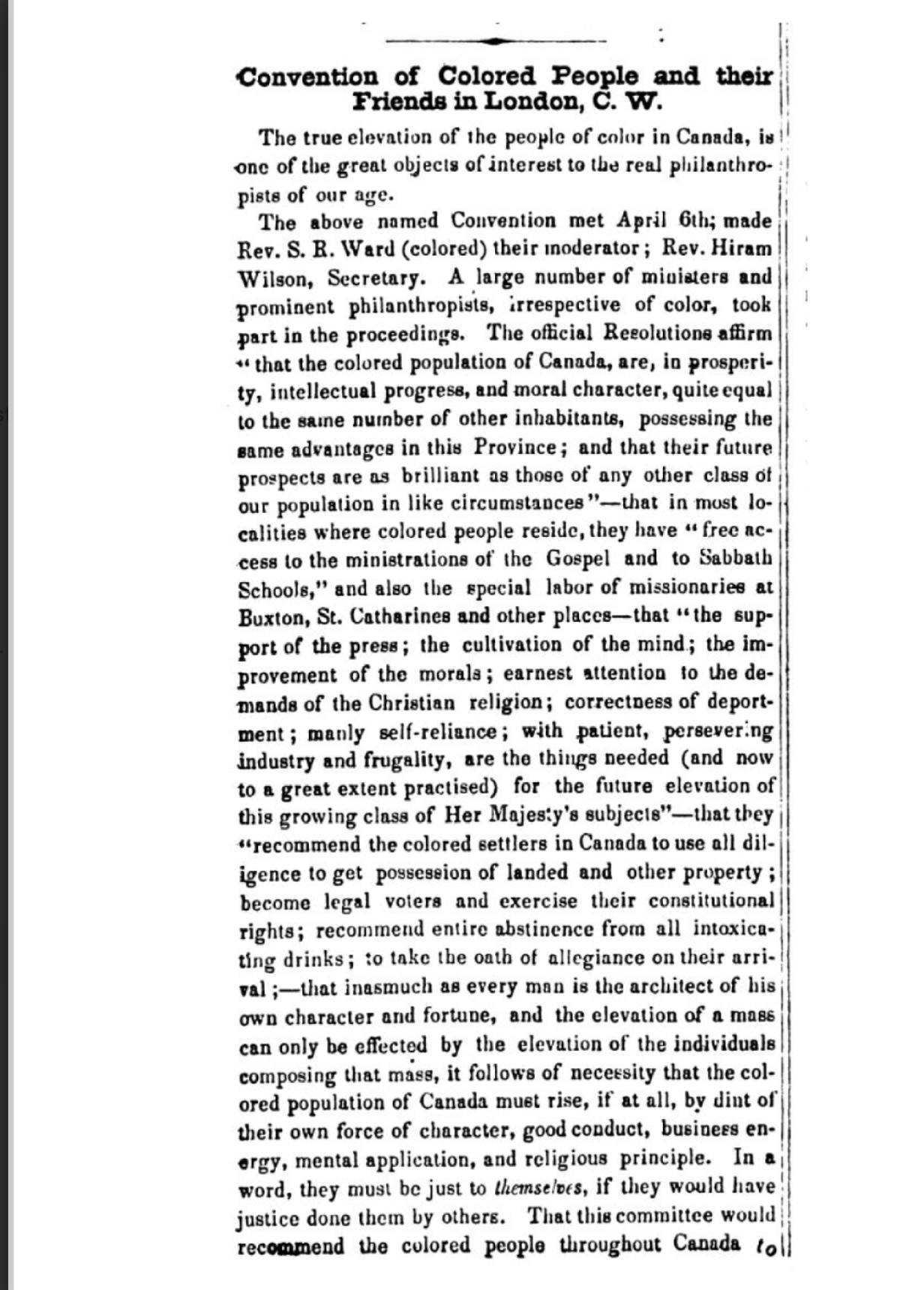
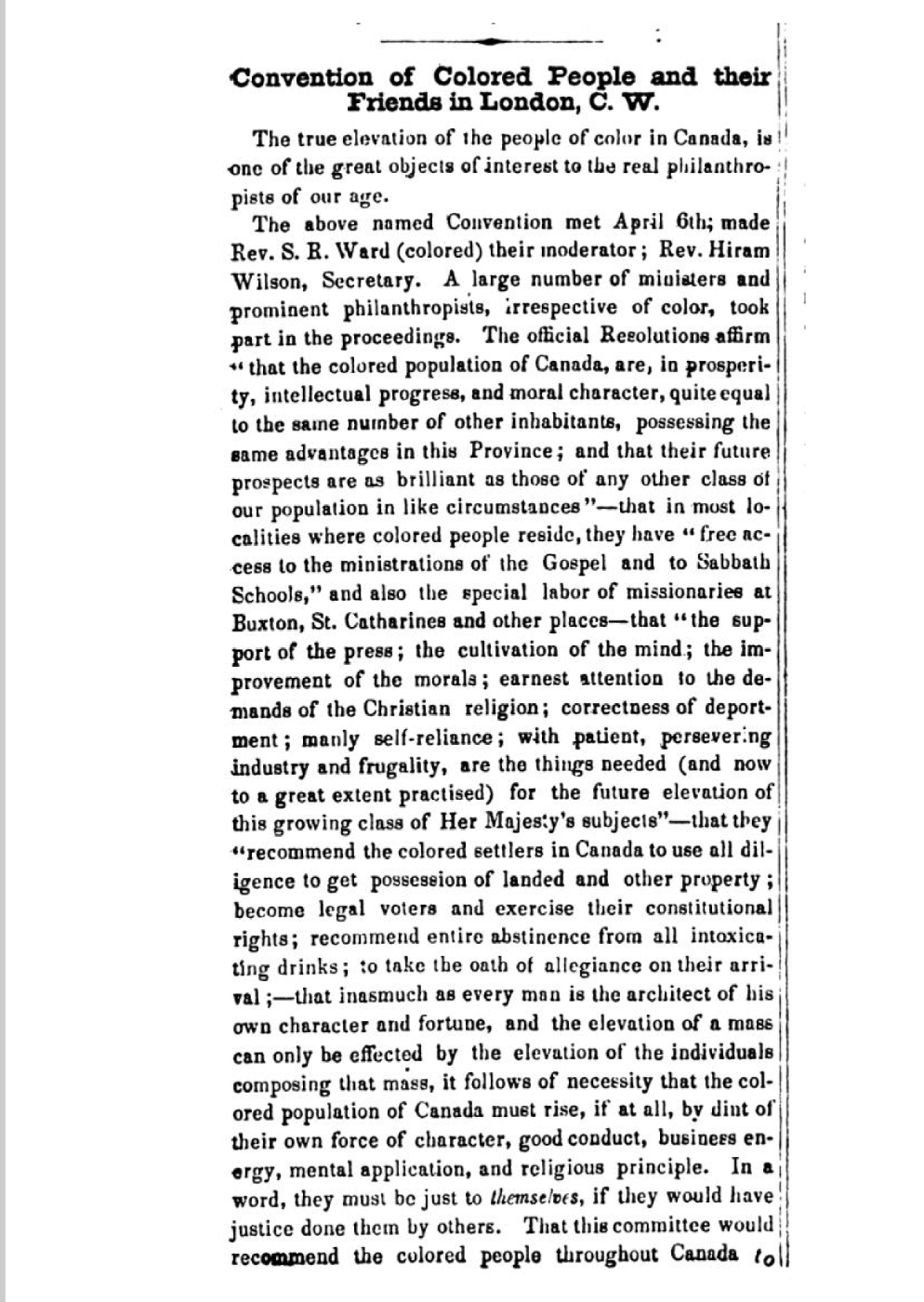
Before participating in the Douglass Day transcribe-a-thon for the Colored Conventions Project, I had very little knowledge on the subject. I had never transcribed before, and only a general understanding of nineteenth-century Black political organizing. I knew that Frederick Douglass and other abolitionists spoke publicly and wrote extensively. I also understood that there were gatherings and conventions that advocated for rights and freedom. I did not fully grasp the scope, organization, or intellectual seriousness of the Colored Conventions movement itself. Transcribing a document from the Convention of Colored People and their Friends in London, C.W. fundamentally deepened my understanding of how structured, deliberate, and forward-thinking these meetings were. The document I worked with reported on a convention held April 6th and described its resolutions concerning the “true elevation of the people of color in Canada.” Even in its old form, the language conveyed clarity of purpose. The convention appointed Rev. S. B. Ward as moderator and Rev. Hiram Wilson as secretary. It also noted the participation of ministers and philanthropists “irrespective of color.” The official resolutions stated that the “colored population of Canada” were equal in “prosperity, intellectual progress, and moral character” to others with similar advantages. Reading these words in their original form made their force feel immediate. This was not abstract history, it was a community publicly asserting dignity and capability in a world structured to deny it. One of my most important takeaways about the Colored Conventions movement is how deeply it emphasized self-determination and a collective uplift. The resolutions encouraged Black settlers to own land and property, become legal voters, exercise rights, avoid intoxicating drinks, increase their knowledge, and follow religious and moral discipline. The language stressed that “every man is the architect of his own character and fortune,” arguing that the transformation of the group depended upon the elevation of individuals. This rhetoric reveals both the immense pressure placed on Black communities to prove their worthiness and their strategic embrace of respectability, education, and civic participation as tools of survival and advancement. Transcribing these words made me more aware of the moral and political balancing act required in a society that judged them harshly. Before this experience, I also had a limited understanding of what it meant to work with digitized archival documents. I thought digital archives were just scanned images of old papers. Participating in the transcribe-a-thon changed that perception. I realized that digitization alone does not equal accessibility. The scanned page I worked with contained inconsistent spacing, unusual punctuation, broken words at line endings, and typographical irregularities that were likely due to the nineteenth-century printing practices. Without transcription, the document would be very difficult to search, quote, or analyze at scale. Transcription transforms an image into usable text and it bridges the gap between preservation and engagement. The act of transcription itself was far more demanding than I expected. I assumed it would involve straightforward typing, but it required a lot more concentration and attention to detail. Words were sometimes split across lines with hyphens, spelling was inconsistent, and certain letters were faint or smudged. For example, phrases like “manly self-reliance” or “business energy” were skewed by irregular spacing. I had to decide whether something was a printing mistake or a misreading on my part. There were moments when I had to zoom in repeatedly, compare letter shapes elsewhere on the page, and re-read sentences to determine whether a word made contextual sense. One specific challenge was resisting the impulse to “correct” the text. Modern readers are trained to fix spelling errors or smooth out grammar automatically. However, transcription requires fidelity to the original document. Preserving misspellings and outdated phrasing is part of respecting the historical artifact. I overcame this by reminding myself that I was not editing, I was witnessing. My role was to carry the document into the present as accurately as possible, not to modernize it. I also struggled getting on the website since it was very glitchy due to the fact that so many people were on it. Once I finally got onto the site and figured out how to transcribe it all clicked. Looking at the physical characteristics of the page such as the uneven ink, the cramped layout, the long blocks of text without the spacing we expect today, makes the labor of both the original printers and modern transcribers visible. The document’s physicality emphasizes that history is not just ideas but paper, ink, hands, and effort. Overall, engaging directly with this archival document changed my sense of relationship to the past. Reading a textbook summary of the Colored Conventions movement would have informed me, but transcribing a primary source made me feel connected to the individuals who organized, and passed these resolutions. I had to slow down and encounter their words at the level of individual letters. That slowness created a different kind of understanding, one that felt less distant and more participatory. The experience also highlighted the collaborative nature of historical recovery. The Colored Conventions Project relies on volunteers to help make these documents accessible. By transcribing, I contributed in a small way to preserving and amplifying voices that were historically marginalized. That realization reshaped my understanding of digital humanities work. It is not merely academic; it is an act of restoration. In the end, the transcribe-a-thon taught me that archives are not just fixed collections, but living spaces of engagement. The Colored Conventions movement emerged not only as a series of meetings in the nineteenth century, but as an ongoing conversation sustained by scholars, students, and volunteers today. Through transcription, I moved from being a passive consumer of history to a participant in its preservation.

Screenshot 2026-02-26 at 4.49.19 PM

Listening to the Past: Douglass Day – Colored Convention Transcribing

Before participating in the Douglass Day transcribing for the Colored Conventions Project, I knew only the broad outlines of the Colored Conventions movement. I understood that free Black Americans gathered in the nineteenth century to advocate for abolition, education, and civil rights. I associated the era primarily with towering figures like Frederick Douglass and imagined large speeches that made their way into history textbooks. What I had not fully grasped was the depth, organization, and collaborative spirit of the movement or how much of its history lives these handwritten documents.

Participating in transcribing for the Colored Convention shifted my understanding from abstract knowledge to something more personal and immediate. Reading and transcribing convention minutes, resolutions, and reports revealed how strategic and forward-thinking these gatherings were. Delegates debated educational access, labor rights, voting rights, and community uplift with urgency and clarity. These were not isolated meetings but coordinated efforts across states and even international borders. What struck me most was the intentionality behind everything, like how the committees were formed, funds were allocated, and the language was carefully crafted. The movement was not simply reactive to oppression, but it was proactive in building institutions and imagining a different future.

Working directly with digitized archival documents was also eye-opening. Before Douglass Day, I thought of digital archives as polished, searchable databases that were clean and convenient. I did not fully appreciate the labor that makes them accessible. Seeing scanned pages in their original form, sometimes faded, crooked, or partially obscured made me aware of the distance between the past and the present. Digital access does not erase fragility. Instead, it reveals it. Each stain, tear, and irregularity reminded me that these documents survived against the odds.

One key takeaway for me is that digital archives democratize history, but they also require participation. Projects like the Colored Conventions Project rely on volunteers to help transform images into searchable text. Without transcription, many of these documents remain visually available but functionally hidden. I realized that digital humanities work is not passive consumption, but it is collaborative preservation too. By transcribing, I was helping make history more accessible to others.

Before this experience, I assumed transcription was mostly about typing what you see. I now understand that it is far more complex. Handwriting styles vary dramatically, and nineteenth-century spelling and punctuation can differ from modern conventions. There were moments when I had to slow down and examine each letter carefully, comparing unfamiliar words to others on the page to decode a writer’s script. Sometimes I encountered words that were nearly illegible, and I had to rely on context clues to make an educated guess. The process demanded patience and humility.

One of the biggest challenges I faced was deciphering handwriting that blended letters together in ways I was not used to seeing. Certain capital letters looked unfamiliar, and ink fading made some words appear incomplete. At first, this was frustrating. I worried about making mistakes or misrepresenting the original text. Over time, however, I learned to approach the page more thoughtfully. I zoomed in on difficult sections, reread surrounding sentences for context, and accepted that uncertainty is part of archival work. Transcription taught me to value precision while also recognizing the limits of my interpretation.

Another challenge was emotional rather than technical. Reading discussions about discrimination, exclusion, and injustice written in the measured language of formal proceedingswas powerful. These were not distant stories. Rather, they were lived realities expressed by people who were determined to claim their rights. Transcribing their words required me to sit with that reality longer than I might have if I were simply skimming a textbook. It made the stakes feel human.

Overall, engaging with these archival documents changed my relationship to this history. Instead of viewing the Colored Conventions movement as a footnote within the broader abolitionist narrative, I now see it as a foundational force in American political organizing. The conventions were spaces of leadership, intellectual exchange, and collective strategy. They demonstrate that Black activism in the nineteenth century was not spontaneous. It was organized, visionary, and sustained.

The act of transcription itself deepened that connection. Typing each word felt almost like listening carefully to voices from the past. I became more attentive to phrasing, tone, and emphasis. I noticed how resolutions were structured and how arguments were built. In slowing down to transcribe, I engaged with the material more closely than I ever would have by reading alone. The process created a sense of responsibility.

Douglass Day, which honors the legacy of Frederick Douglass, takes on new meaning for me after this experience. Celebrating his life is not only about remembering a single influential leader. It is about recognizing the broader networks of activism and community that sustained the struggle for freedom and equality. The Colored Conventions Project highlights that history is collective. By participating in the transcriptions, I became part of that collective effort in a small but meaningful way.

In the end, what I learned extends beyond historical content. I learned that archives are living spaces of engagement, that preservation requires participation, and that careful attention can transform how we understand the past. Transcribing these documents was not just an academic exercise, it was an act of witnessing. It reminded me that history is not fixed on a page; it is carried forward by those willing to read, interpret, and share it.

Douglass Day gave me more than new information. It gave me a deeper appreciation for the labor of preservation, the power of collective organizing, and the enduring relevance of voices that refuse to be forgotten.

blogpostmidwestimage

Douglass Day: Transcribing and Interacting with History

Background and Difficulties

Before participating in the Colored Conventions Project I did not know much about the project or transcribing documents. One thing that shocked me was just how accessable and engaging it was! I went into the event unsure of what to expect, imagining the transcription process to be technical or difficult. Instead, I was pleasntly surprised when I found the most challenging aspect of transcribing was actually trying to decipher the handwriting and fonts to accurately transcribe it.

The document I chose to transcribe was one from Washington DC, and it argued that formerly enslaved people possess real world skills and knowledge in many types of labor, specifically mentioning agriculture and mechanical. One thing the document used to support its argument was the fact slavery forced enslaved people into learning skills in multiple skill areas without access to training, schooling, or rights, whereas white people at the time did have access to professional development oppertunities. Despite the document being short, I did find it incredibly intresting and insightful and would have liked the historical context or the oppertunity to read the rest of the document. It hinted at a larger societal conversation about citizenship, labor, freedom, and the recognition of Black Americans’ expertise in the period following the abolition of slavery.

One difficulty I faced during this experience was issues with the web browser. The coordinators mentioned this had been one of the most popular Douglass Days they’ve had, and because of the sheer amount of people trying to access the website, the site kept buffering and crashing. I know the website crashingw was not unique to Geneseo, as in the livestream people kept mentioning the website wasn’t working for them either. Although it took around twenty minutes to actually get onto the site, once I was able to, the transcribing process was easy and went smoothly.

Another difficulty I faced when transcribing was knowing what to include. The Zooniverse website instructed us to write everything exactly as it appeared, but I was not entirley sure how far the definition of everything extended. For example, if a word reached the end of the line it was connected with an em-dash. I did not know if I should have written the word out entirley, or kept the em-dash in to reflect the document. Ultimatly, I decided to keep the em-dash in, as it was apart of the text and I wanted to stay true to its historical accuracy. Experiences like this helped me realize that transcription is not just copying words, it is a thoughtful process where every character, space, and punctuation mark contributes to historical authenticity.

Interacting With History

I think it is so important to not only learn about history in a traditional academic sense, but to interact with it directly as well. When we interact with history, it becomes more than information, it becomes a conversation. It is something much more impactful about reading and transcribing a document about post slavery conditions rather than just learning about it through lecture or textbook. Being apart of the experience give me a deeper understanding and apperciatation of the conscious, collective, effort it takes to revive history and make accessible to the public.

Growing up in a time where media has been available to me ever since I was a kid, I think many people forget while we do have access to a lot of our history through the internet. Much of what is out there is untranscribed, unseen, and inaccessable, and there is so much information out there you can’t access through technology. Participating in Douglass Day made me realize just how much of history is still untouched and waiting to be shared.

By helping to make these older documents accessible, we bring attention to aspects of history that are often overlooked. This work is especially important because many of these materials highlight the contributions of women, Black Americans, and other marginalized groups who played significant roles in shaping historical events but were excluded from mainstream narratives. Transcription becomes a way to restore their voices and ensure their experiences are not forgotten. I think the fact the Douglass Day transcriptions not only transcribe documents but create lists of names as well, is equally as important, if not more valuable as the names provide a point of refrence to find more documents.

A question I still is, where does the Colored Conventions Project get access to these historical documents, and do they do anything with them after transcribing?

Conclusion

Something I thought was especially intresting was the fact there is a cake decorating contest that is a part of the Douglass Day activities and celebration. I think adding a creative dimention to the celebration bridges the different communities participating in Douglass Day as a reminder we are all working to a common goal!

Overall, participating in the Colored Conventions Project was a meaningful experience that taught me about the importance of preservation, accessibility, and community engagement. It reminded me that history is not static, rather it is something we actively participate in sustaining. By transcribing these documents, we help make the past visible, allowing future generations to learn from voices that deserve to be heard.

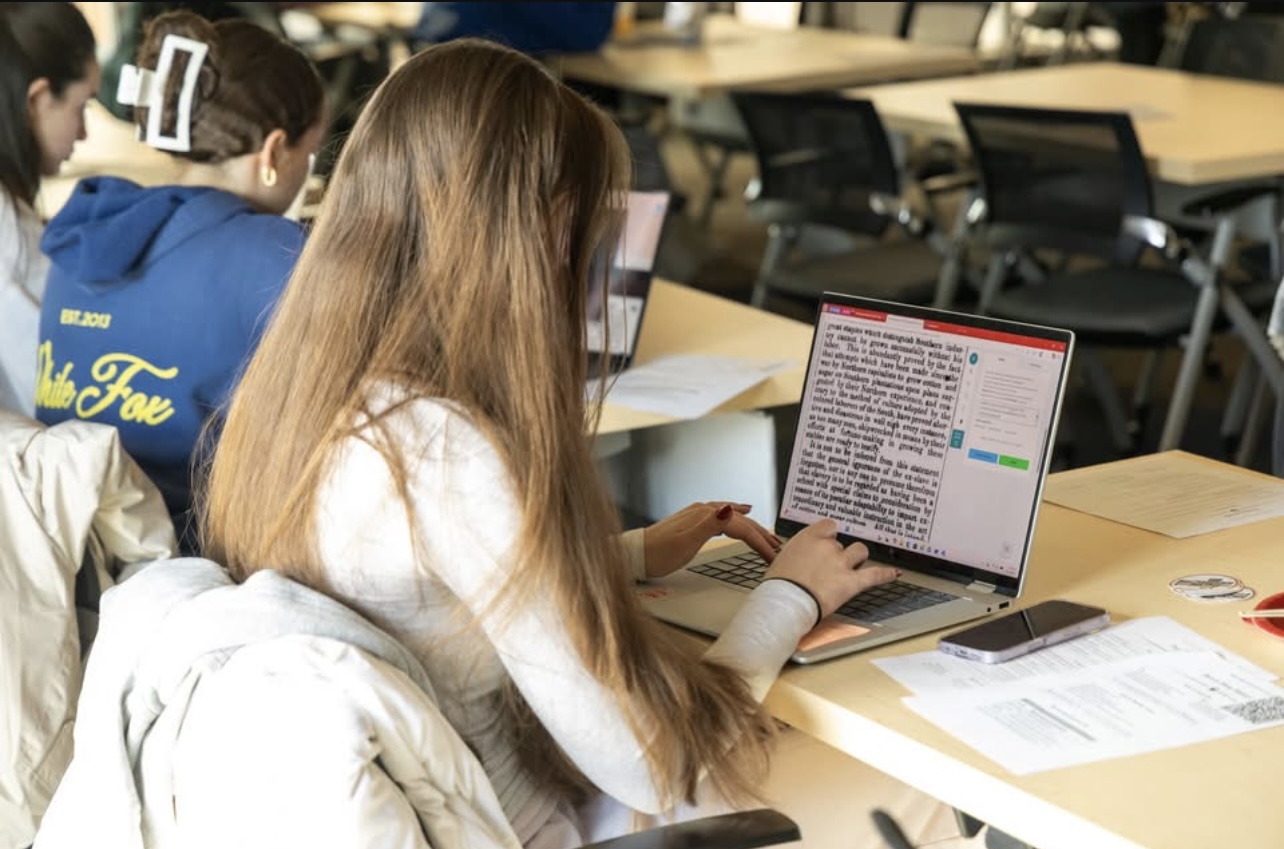
The image I’ve added is me transcribing the Washington DC document

Screenshot
Screenshot