Background and Difficulties
Before participating in the Colored Conventions Project I did not know much about the project or transcribing documents. One thing that shocked me was just how accessable and engaging it was! I went into the event unsure of what to expect, imagining the transcription process to be technical or difficult. Instead, I was pleasntly surprised when I found the most challenging aspect of transcribing was actually trying to decipher the handwriting and fonts to accurately transcribe it.
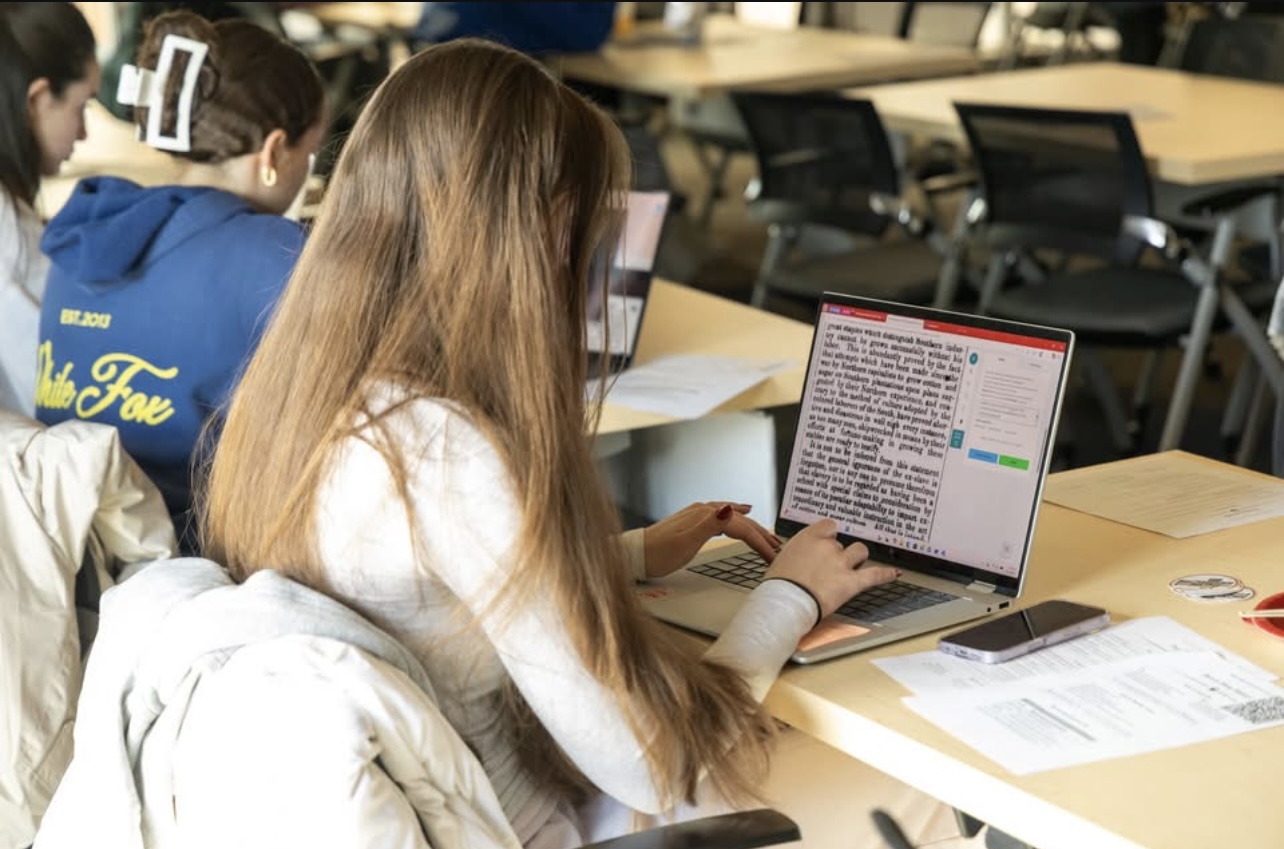
The document I chose to transcribe was one from Washington DC, and it argued that formerly enslaved people possess real world skills and knowledge in many types of labor, specifically mentioning agriculture and mechanical. One thing the document used to support its argument was the fact slavery forced enslaved people into learning skills in multiple skill areas without access to training, schooling, or rights, whereas white people at the time did have access to professional development oppertunities. Despite the document being short, I did find it incredibly intresting and insightful and would have liked the historical context or the oppertunity to read the rest of the document. It hinted at a larger societal conversation about citizenship, labor, freedom, and the recognition of Black Americans’ expertise in the period following the abolition of slavery.
One difficulty I faced during this experience was issues with the web browser. The coordinators mentioned this had been one of the most popular Douglass Days they’ve had, and because of the sheer amount of people trying to access the website, the site kept buffering and crashing. I know the website crashingw was not unique to Geneseo, as in the livestream people kept mentioning the website wasn’t working for them either. Although it took around twenty minutes to actually get onto the site, once I was able to, the transcribing process was easy and went smoothly.
Another difficulty I faced when transcribing was knowing what to include. The Zooniverse website instructed us to write everything exactly as it appeared, but I was not entirley sure how far the definition of everything extended. For example, if a word reached the end of the line it was connected with an em-dash. I did not know if I should have written the word out entirley, or kept the em-dash in to reflect the document. Ultimatly, I decided to keep the em-dash in, as it was apart of the text and I wanted to stay true to its historical accuracy. Experiences like this helped me realize that transcription is not just copying words, it is a thoughtful process where every character, space, and punctuation mark contributes to historical authenticity.
Interacting With History
I think it is so important to not only learn about history in a traditional academic sense, but to interact with it directly as well. When we interact with history, it becomes more than information, it becomes a conversation. It is something much more impactful about reading and transcribing a document about post slavery conditions rather than just learning about it through lecture or textbook. Being apart of the experience give me a deeper understanding and apperciatation of the conscious, collective, effort it takes to revive history and make accessible to the public.
Growing up in a time where media has been available to me ever since I was a kid, I think many people forget while we do have access to a lot of our history through the internet. Much of what is out there is untranscribed, unseen, and inaccessable, and there is so much information out there you can’t access through technology. Participating in Douglass Day made me realize just how much of history is still untouched and waiting to be shared.
By helping to make these older documents accessible, we bring attention to aspects of history that are often overlooked. This work is especially important because many of these materials highlight the contributions of women, Black Americans, and other marginalized groups who played significant roles in shaping historical events but were excluded from mainstream narratives. Transcription becomes a way to restore their voices and ensure their experiences are not forgotten. I think the fact the Douglass Day transcriptions not only transcribe documents but create lists of names as well, is equally as important, if not more valuable as the names provide a point of refrence to find more documents.
A question I still is, where does the Colored Conventions Project get access to these historical documents, and do they do anything with them after transcribing?
Conclusion
Something I thought was especially intresting was the fact there is a cake decorating contest that is a part of the Douglass Day activities and celebration. I think adding a creative dimention to the celebration bridges the different communities participating in Douglass Day as a reminder we are all working to a common goal!
Overall, participating in the Colored Conventions Project was a meaningful experience that taught me about the importance of preservation, accessibility, and community engagement. It reminded me that history is not static, rather it is something we actively participate in sustaining. By transcribing these documents, we help make the past visible, allowing future generations to learn from voices that deserve to be heard.
The image I’ve added is me transcribing the Washington DC document