Data Points
Data points I thought were most applicable to the assignment:
4/8 “I find my phone to be my biggest distraction, more specifically, getting a notification. When working, I’m able to put my phone down and focus, but as soon as I get a notification, I can’t help myself and get sucked in to check it.”
4/10 “I realized that in order to pay attention in class, I must sit in the front and take notes. Even if the content is something I feel I have mastered or feel I have a good grasp on, taking notes forces me to listen rather than shop or play 2048 cupcake on the computer.”
4/12 “I find that in order for me to be most productive, I need to be working on multiple assignments at once. It’s difficult for me to focus on one assignment at a time. I’m not someone who can sit down and complete an assignment, and it’s easier for me to be working on multiple things at once. I find that once I get into the groove of something, I can work on it for a bit, but knowing that if I get an idea for another assignment I can switch my tabs and work on something else is comforting to me. This system helps me stay focused as well. If I’m working on something for too long, I get fatigued, and instead of stopping work altogether, switching to a different assignment helps me stay productive until I get an idea for what I was working on beforehand. The hierarchical structure of working on things one at a time stresses me out, and instead of ordering assignments and trying to find the “most important” one, it is more difficult for me than making multiple assignments the priority.”
Procudure and Findings
For this assignment, I set random timers throughout the day and wrote down whatever I was thinking about, what I noticed in my environment, or what came to mind the moment the timer went off. I wanted to focus specifically on distractions related to schoolwork. While I collected more data than what’s included here, I chose to include only the entries that best fit the purpose of the blog post. Because I have ADHD, I know I’m especially vulnerable to both environmental and internal distractions, so this assignment ended up being a fun (and eye‑opening) look into my distractibility.
When I reviewed my data, most of my entries were about distractions caused by my phone, which didn’t surprise me at all. As I mentioned in my notes from 4/8, notifications are a much bigger distraction for me than getting sucked into a scrolling cycle. The moment my screen lights up or I feel a buzz, my attention is gone. Even if I don’t actually open my phone and only glance at the notification, it still breaks my focus, and it’s hard to get back into the groove. I’m not entirely sure why notifications pull me in so strongly, especially since I usually don’t respond right away. My best guess is that it’s a form of FOMO, I want to know what’s happening, and if I don’t check immediately, I end up thinking about it until I finally open it.
When it wasn’t my phone distracting me, daydreaming and self‑generated distractions were the next biggest patterns I noticed. I’ve always struggled with daydreaming. What usually happens is that something in my environment, like a sound or movement, grabs my attention, and once that happens, my mind takes off in a hundred different directions. After that, it becomes really difficult to refocus.
Ways to Counteract Distractions
While paying attention to what distracts me, I also started noticing the things I do to counteract my distractibility, and I realized my strategies change depending on the environment.
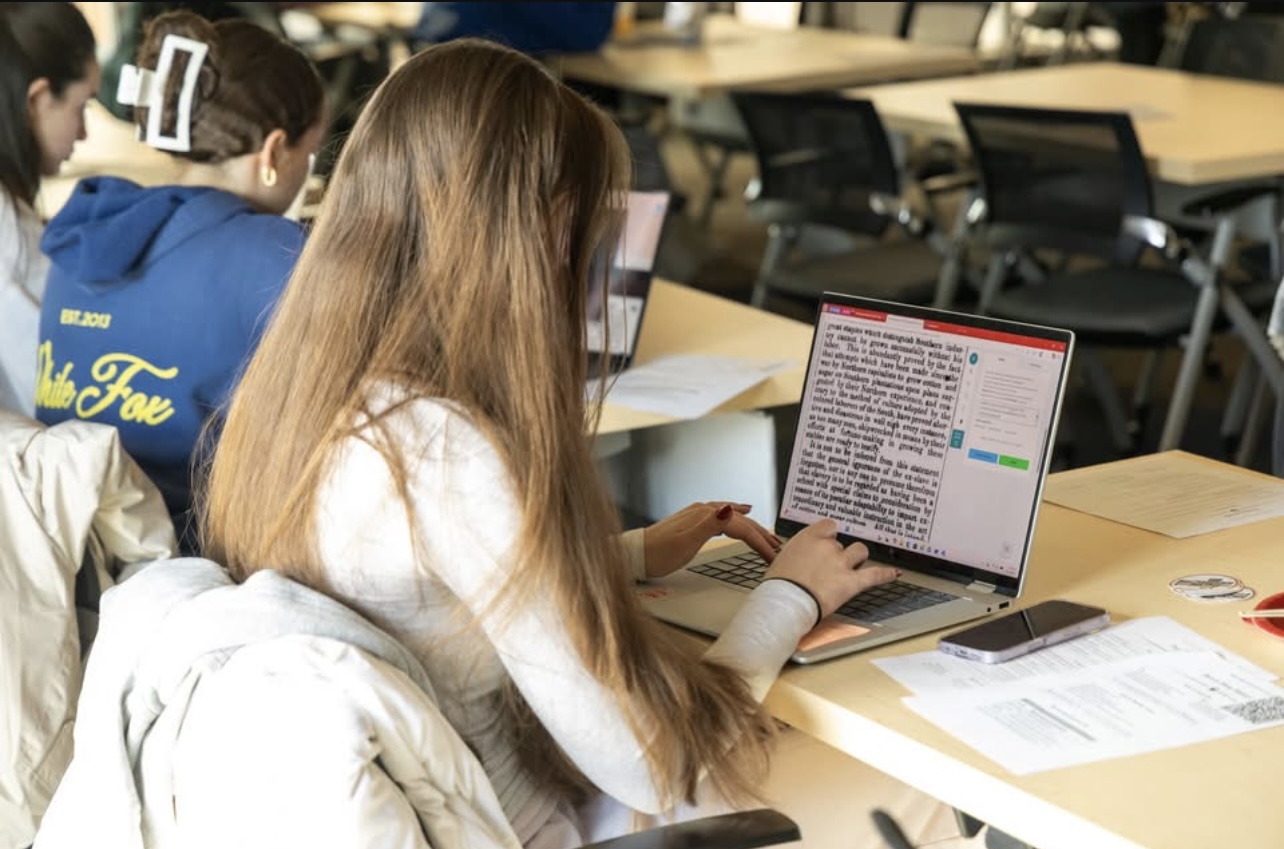
In class, I keep myself accountable by sitting in the front. The social pressure of having the professor right in front of me helps me stay focused because I don’t want to come across as a lazy student. Another way I stay on task is by taking notes with paper and pencil, which helps me eliminate distractions before they even happen. When the entire world is at my fingertips on a laptop, it’s way too easy to drift off-task, especially when the only thing keeping me focused is my own self‑control. Sitting in the front combined with physically writing my notes makes a huge difference; my grades are good so I have conformation that this stratgey works well for me.
When I’m doing work on my own, I’ve found that I focus best in a silent room with minimal visual distractions. Before I start, I usually spend about 15 minutes on my phone, then switch it to do not disturb and put it out of sight and out of reach. Those 15 minutes help me get the urge to check my phone out of my system, and it’s easier to start working when I feel like I’ve already handled whatever I needed to on my phone. I also “trick” my brain into focusing by telling myself I’ll work for a set amount of time and then take a break. Thinking a break is coming soon helps me get started, and once I’m in the groove, I usually keep going past my original time because I don’t want to lose my focus.
Are You Able to Live Your Life?
Reflecting on the question, “Are you able to live your life according to your own dictates under the pressure of distractions?” I would say no, and honestly, I’d probably say no for almost anyone who owns a smartphone. Answering the question more broadly, I don’t think a single person in my generation can fully live their life on their own terms anymore. Screens are everywhere, and they’re designed to pull us in. Even when we think we’re in control, we’re still tied to notifications, apps, and constant digital noise that chip away at our attention without us even noticing.
Doing this assignment reminded me of the article “What Happened When My Yale Students Gave Up Their Phones for Four Weeks,” where students traveled to France without their phones and came back with noticeably stronger attention spans. That stuck with me because I see the same pattern in myself, my family, and my friends. When we’re away from our phones, even for a short time, we suddenly feel more present, more grounded, and more aware of the world around us. But the moment we’re reunited with our screens, it’s like our brains snap right back into old habits.
I already have screen time set up on my phone, and while it definitely helps limit how much time I spend on it, I think the most meaningful change will come from actually distancing myself from my phone and doing things that don’t involve technology at all. Constantly feeling the need to check your phone isn’t healthy for anyone, and I think people (myself included) need to retrain our brains. Technology is affecting everyone’s attention span, awareness, and ability to be present. The more I think about it, the more I realize that simply setting limits isn’t enough. Phones are designed to keep us addicted, and they’re woven into almost every part of daily life. Even when we’re not actively using them, they’re still pulling at our attention through notifications, habits, and the feeling that we might be missing something. Because of that, I think the real challenge is learning how to create intentional distance, we need to be choosing activities that don’t involve screens, giving our brains space to reset, and rebuilding the ability to focus without constant digital interruptions. It feels distopian to say, but we actually have to practice being present now. We have to relearn how to sit with our thoughts, how to enjoy quiet moments, and how to do things without reaching for a device.
There was no use of AI to create this blog post.