
Previous Knowledge
In my opinion, the Douglas Day transcribe-a-thon where students were able to transcribe documents from the Colored Conventions Movement truly embodied the best of academia. This event gave college students the opportunity to play a direct role in engaging with documents from the past and contribute to their preservation which extends beyond the typical classroom activities. Participating in the transcribe-a-thon on Douglas Day gave me a strong sense of autonomy and transformed my understanding of history because for the first time I felt like I was immersed in this discipline. In high school I had always been fascinated by my AP European and United States history courses, and the study of history overall. I always recognized the importance of teaching and learning the true history of the country in which we live because honest education ensures that we don’t make the same mistakes. In all of my prior schooling about American history and the Civil Rights movement beginning in the 1950’s, I was never taught about the Colored Conventions Movement.
Since reading documents from the Colored Conventions Movement in the transcribe-a-thon, I have learned about a significant force of Black activists, leaders and civilians who fought for Civil rights, educational and labor equality and the abolition of slavery. It is essential that we know the name of the Colored Conventions Movement and the political advocacy and mobilization that they created in order to understand the reality of Black civil rights in America. Too often, White northern abolitionists get credit for fighting for the freedom and rights of Black civilians in America, when it was truly them who fought for their own liberation and progress. It is time that white saviorship is criticized and The Colored Convention and their strategized effort is recognized and taught.
My Experience
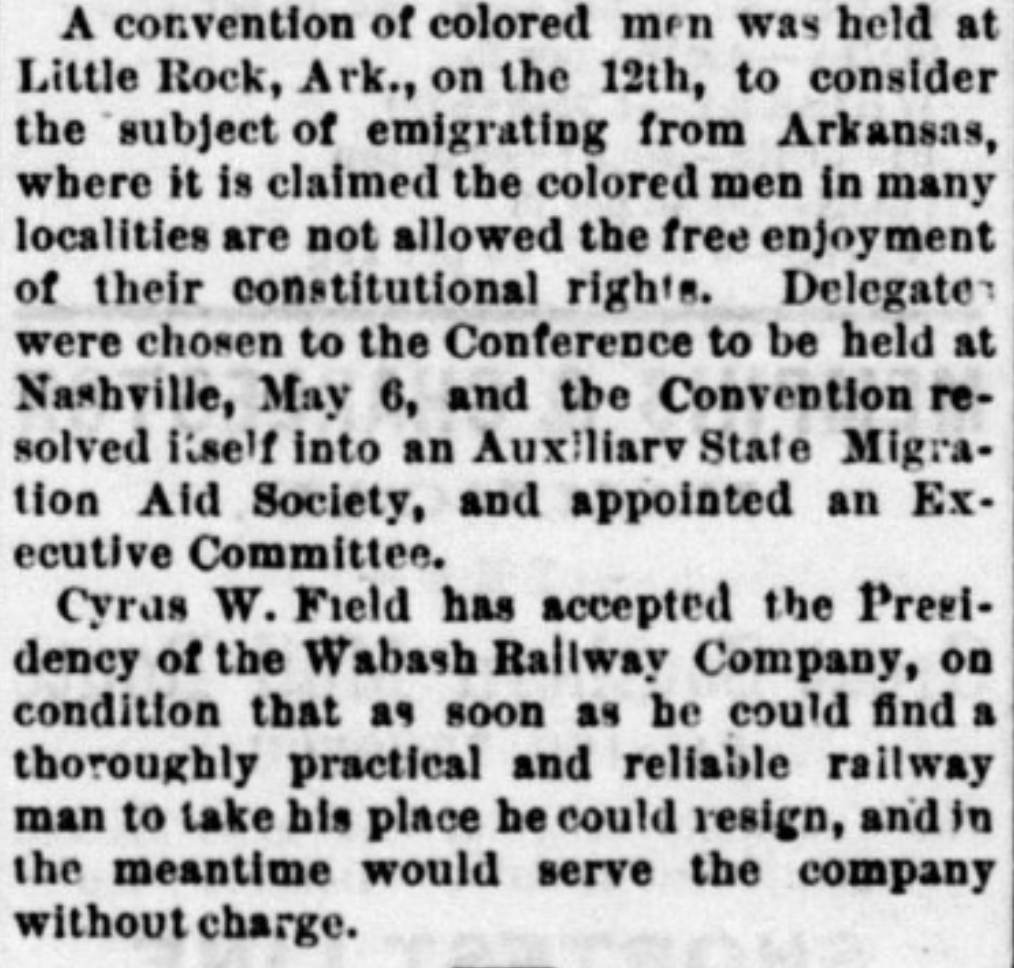
Finally, I realized the importance of identity in these documents, as history tells a story that can strategically leave individuals out in order to teach a certain narrative. During the time period of the 1800s and 1900s women were commonly left out of fields of leadership, advocacy and political participation. Their role, even though essential, was under valued and not acknowledged in order to maintain females’ subordinate place in society. It is essential that we uncover the names of women who played a crucial role in the Colored Conventions Movement and the fight for civil rights. It is a privilege and an honor to be a female in today’s world, able to contribute to rewriting the narrative.
Challenges and Learning
The only challenge I experienced during the transcribe-a-thon was with internet service and connection due to the overpopulation of Zooniverse during Douglass Day. Ironically, this exposes a fundamental flaw of digital media compared to print which is a topic we are discussing in class. Digital media and transcription presents an issue of internet connection and service which undermines our goal to improve the accessibility of a document. After a short amount of time, the service issues were cleared up and I was able to transcribe documents as intended. In this process I learned that formatting is insignificant when it comes to document transcription and that what truly matters is the content and the story you are transcribing. The formatting of the archival document is special and unique to that of its original paper form and that doesn’t need to be replicated in the digital version because fortunately, the original edition can always exist.
Transcribing archival documents from the Colored Conventions Movement allowed me to be involved in recording history and take an active role in digitizing very important documents. Additionally, my experience with the specific documents gave me insight into the political and social climate of this time and the individuals as well as the efforts that they were fighting for in terms of civil rights, labor and social equality. I now know about the Colored Conventions Movement and the significant role they played in American history.