What I transcribed
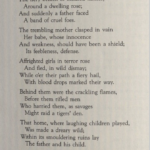
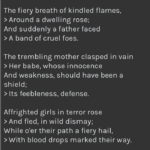
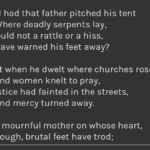
What did I know about the Colored Conventions movement before I participated in the transcribe-a-thon? What’s the most important take-away for me about the movement itself as a result of participating?
Previously to participating in the transcribe-a-thon, I knew limited information of the Colored Conventions movement. I knew some of the history of Frederick Douglass, the well-known local historical figure, as well as Frederick Douglass Day which we celebrate and remember him by at SUNY Geneseo. However, I had not known of the connection to this important day and the Colored Conventions project. In participating in the transcribe-a-thon, while also learning information about the convention in class, I learned that the projects name is based on the many political meetings held by African Americans after the Civil War, in which they campaigned and fought for basic civil and human rights. The name Colored Conventions comes from these meetings as a way to honor and remember that part of history. Over 600 Colored Conventions were held, and it is estimated that over 10,000 delegates attended. In holding the transcribe-a-thon and making it a yearly tradition for people all over the world, the memory and history is being kept alive through the eyes and personal accounts of the people involved. Documents being transcribed come from firsthand accounts of historical figures such as Frances E. W. Harper or Frederick Douglass, and many other influential people of the past. The digital world we live in today helps make it possible for anyone to access these documents and learn more about history and participate in a tradition that helps to keep history alive.
What did I know about working with digitized archival documents before I participated in the transcribe-a-thon? What are some key take-aways for me about digital archives as a result of participating?
Previously to participating in the transcribe-a-thon, I had limited exposure to digitized archival documents. Occasionally for a class in high school or throughout college I would read an assigned historical diary or record. Through participating in the transcribe-a-thon I was able to see the large number of archival documents that exist, even just pertaining to specific historical figures or time periods. The amount of information and historical accounts often overlooked in classrooms can be seen as so many documents exist throughout history, on a level that it would be impossible to cover them all. This is the benefit of the digital world and having these archived documents digitized, though. People can search for specific historical figures they have an interest in, or just scan through a variety of digitized documents from different time periods and people as done in the transcribe-a-thon. Having the ability to do this at home from your computer makes it easier and more accessible for most, especially students and those interested in such digitized archival documents, as those with a computer and internet now can learn as much as they choose and easily narrow in on specific topics.
What did I know about transcribing archival documents before I participated in the transcribe-a-thon? What do I now know about document transcription that I didn’t know before?
Previously to the transcribe-a-thon, I knew nothing of transcribing archived documents myself, and wasn’t aware that this was an event others participated in as well. I have learned that a vast amount of people help in transcribing historical documents, as done during the Colored Conventions Project. By transcribing these documents, people are given the chance to use computers and “…digital tools to bring the buries history of the nineteenth century Black organizing to life” (“Douglass Day at Suny Geneseo – How Do I Transcribe”). While learning about the documents and historical perspectives while transcribing, you are also helping to create a record and keep these parts of history alive.
What specific challenges did I face in doing the transcription? How did I overcome these challenges (if indeed I did)?
Any challenges I faced doing the transcriptions were minor, such as losing my place in longer documents on where I was in the transcription process, which can easily be fixed by rereading what you have written alongside the document. Alongside this I found the website itself to be difficult to work with at times, as it automatically scrolls the document down as you transcribe, which caused me to lose my place on occasion. Finally, I found depending on the document, especially those written in cursive without clear distinctions between letters, to be difficult to read and transcribe. I found it to be much easier to transcribe poems and letters that were already typed, with clear letters and writing.
Overall, how did the experience of engaging with archival documents change my sense of relationship to, or understanding of, the history to which these documents belong?
Engaging with these documents firsthand and reading them through while making the transcriptions gave me a firsthand view into their historical relevance. A lot of the valuable information we know about historical figures such as Frederick Douglass or Frances E. W. Harper, comes from documents they wrote at one point, or documents recounting their speeches/work. While transcribing, you can see glimpses into different historical figures lives and accomplishments. Pieces from documents I would have probably never seen otherwise that I have now learned about, even if just in reading it over once as I transcribed.