What I transcribed
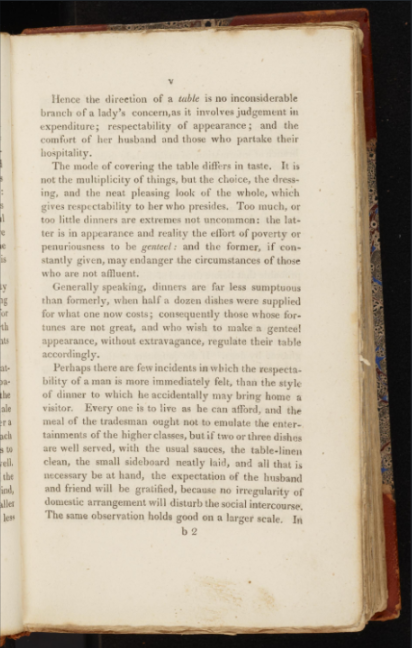
I unfortunately missed transcribing in the Colored Conventions campaign, so I searched for other projects I could transcribe through. I found projects through the Library of Congress – By The People, and was able to transcribe a page from a campaign that reviewed culinary pages from revolutionary times. The page I transcribed seemed to be from a magazine with instructions on hosting dinners, and how to host efficiently.
What I learned from transcribing
I didn’t know much about digitized documents before before I participated in the transcribe-a-thon. I didn’t realize how many documents were still being worked on in these archives. It’s very interesting to me that some of these websites, like the Library of Congress let anyone transcribe for free, and don’t require and certifications. Even if they go through review after transcription, it’s still intersting to me that they would let any Joe-Schmo do this tedious work. But that may also reflect how few people there are that do it, and how desperate they are for people to help, that they take so much volunteer work. One of my biggest challenges transcribing, specifically this page, was ensuring that I was doing it correctly. Making sure I had line-breaks in the correct spots was also difficult, especially if I was in the zone and just typing away, I had to check back in with myself to make sure I was following all the rules.
What I learned about the history these documents embody
I learned a lot about the manners and etiquette of the time period. It has many more rules than we have for normal dinners today. Especially about making sure dinners aren’t too flashy or too dull for the occasion. I was also surprised by the expectations for the guest to match the home that their visiting, whether they are wealthier, or poorer than the host family. I wasn’t very surprised that the magazined seemed directed towards wome, with language that mentions the readers/hosts husband, considering the traditional patriarchial values of the time period.It was very interesting to read into what is essentially the equivalent of our time’s “Teen Vogue” and to see the reading material available to average people.
How I see things now
I definately have more of an understanding for the value in these projects and campaigns. When we are transcribing, whether it’s an authors work, or a promotional ad, or government papers, we learn so much about the era and the way people lived. Transcribing things from authors is similar to getting an insight into their brain, like when we look at the Walden Manuscripts. It’s like getting to watch the process of someone working. I also liked the page I transcribed because it was somewhat relatable. It reminded me of reading my old babysitters magazines about gardening, and reading the columns that had tips and tricks for them, and it’s somewhat comforting that even hundreds of years ago, people were still writting and reading about daily life advice. Working with these documents helps me feel closer to the time period, and makes the people that lived through it feel more real, and less like fictional stories. It’s a good reminder for how people’s lives used to be and depending on the document you’re working with, it could also be a good reminder for how far we’ve come, and how good we have it today comparably.