Just recently, I was called by duty of class credit to participate in the annual Douglass Day celebration! This turned out to be an excellent opportunity, as I knew precisely nothing about the event, nor about the Colored Conventions Project, or even transcribing documents in general. Luckily, I learned a lot!
What is Douglass Day?
This holiday is meant to commemorate the life of Frederick Douglass, a very famous leader of African-American Rights. Although he did not know his own birthday, he chose to celebrate it one Valentine’s Day, so the event takes place just the day before his decided birthday. The event is hosted by the Colored Conventions Project. The organization is named after the real “colored conventions” made up of largely African American people. The conventions were political meetings that started with the hope of getting African Americans more rights in the United States, and in Canada. Frederick Douglass attended a few of these meetings himself. An event is hosted by way of a livestream on Douglass Day, and includes speakers on the history of colored conventions and their meanings, a bake-off on who could make the best birthday cake for Frederick Douglass, and even singing happy birthday. Of course, most of the stream is time dedicated to time spent transcribing documents on these Colored Conventions.
The Main Event- The Transcribe-A-Thon!
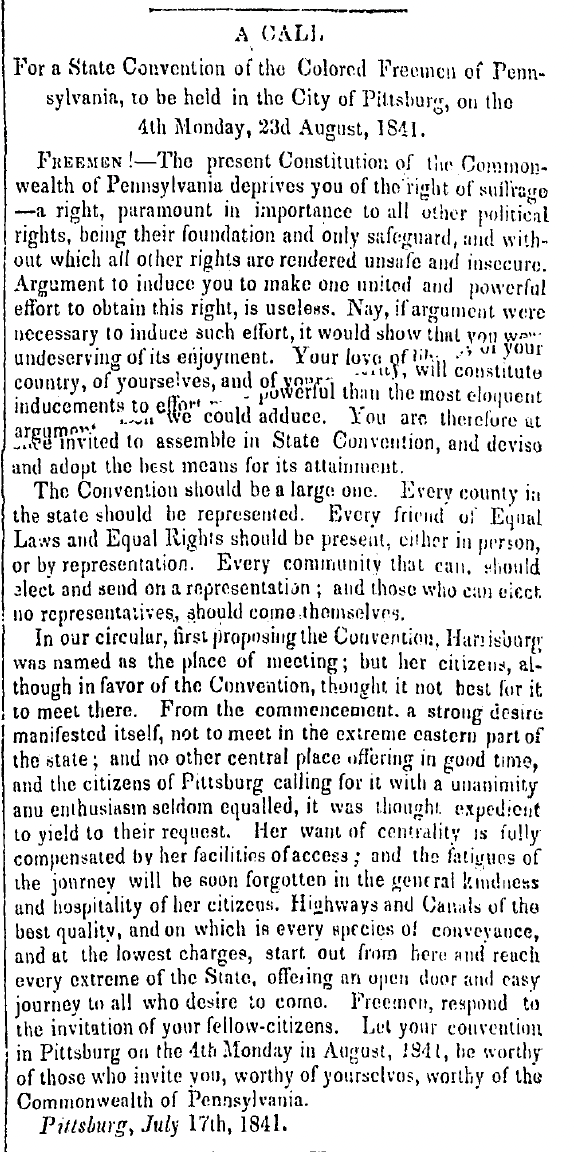
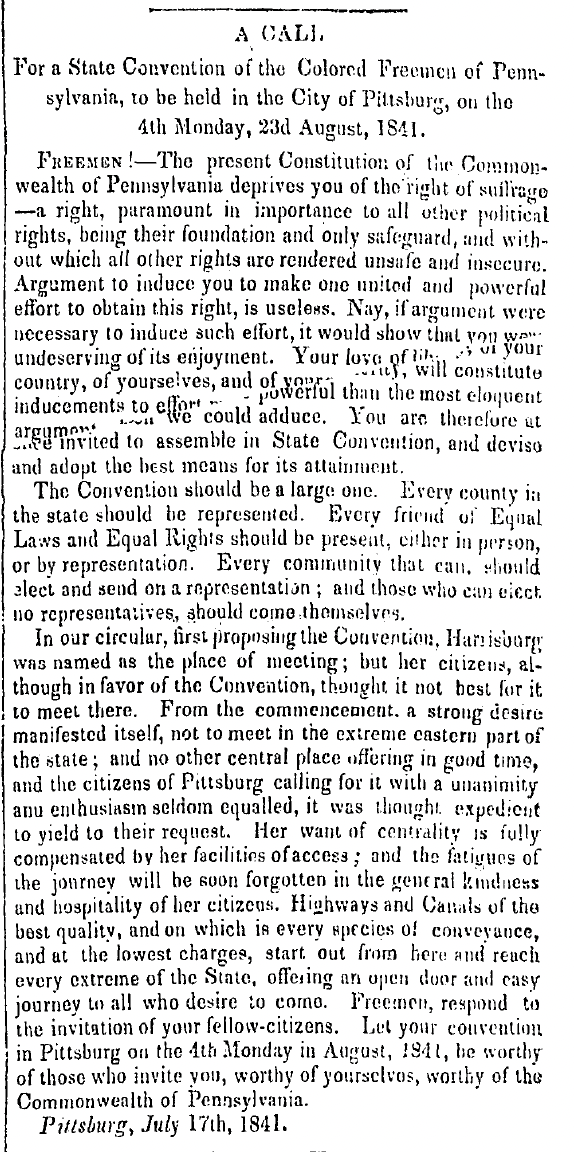
The vast majority of the event consists of the transcribe-a-thon. This is, well, it is exactly what it sounds like. From their organizations that are hosting the event, or possibly even people who are simply tuning in to the stream from home, people log into whatever site is being used this year for Douglas Day, and find a bunch of documents that seem to be a series of records from different Colored Conventions meetings. They use the time of Douglass Day to transcribe these documents, typing out word for word exactly what these documents said.
This was very different from what I thought transcribing was. To be clear, I did not even think that one needed to transcribe documents that were already digital before partaking in this event. It hadn’t even crossed my mind that one would be someone typing out what was already visible as a picture on the computer screen. Upon actually participating, I realized how silly of an assumption this was.
First of all, a lot of these documents were marked down in handwriting. While I was lucky enough to avoid coming across any documents like this, the rules listed on the official Douglass Day website imply that there are quite a few. This means a lot of people could find it tricky to read, especially if it happens to be cursive. I think that most people would agree that any good old serif font is much easier on the eyes than any handwriting, no matter how neat it may or may not be. On a similar vein, even if the majority of these documents were properly printed in something that resembled text, they were still pretty old. The ink might have run in a couple of these documents, which is another reason why they might be harder to read. These are just a couple reasons why it is good to have these documents typed out so that the wider public can access them without too much of a headache. Even better that enough people participate in Douglass Day that these documents can have multiple pairs of eyes looking at them, just to better the odds of getting the correct transcription written down.
Clearly, if I did not even realize this type of transcription was a thing, I certainly did not know how to do it. I honestly felt like I was thrown into the deep end when I first sat down, expected to type out these documents. Luckily, it was not too hard to pick up. Geneseo has its very own website to guide any students new to the event through what was expected of them, so all I really had to do was follow the steps. Unfortunately, that does not mean there were not a few hiccups on the road to discovery.
This year, the documents we were meant to be transcribing were found on a website known as Zooniverse. The trickiest thing I really had to face was remembering to mark down all the names I found, and remembering to do so in a certain order. Geneseo’s website recommended separating them by semicolons, and remembering to mark down any titles. It is not the hardest thing on paper, but there were times when I was in a flow and had completely forgotten to write down a name, or wrote down the same name twice and later had to fix that.
Overall, though, it was a pretty great experience. There is something exciting about having to figure it all out without being explicitly told. I learned a lot, and it was nice to be a part of something bigger than myself.
What did I learn about Colored Conventions
I transcribed a few document the Pennsylvania section. Non of them are the one pictured in this post, unfortunately. There were a few problems with the webstie to prevent me from getting that, but the picture is a good idea of the type of documents we were working with. I learned an array of names, and vast amount of people who attended these colored conventions. I also learned of a precedent that many people about to enter a position of politcal power may have believed in equal rights in terms of voting, but kept quiet about it for a better chance of election. This led to a pledge in one of the Colored Conventions that the member would not support any candidate who was not sure to support equal voting rights.